Product Overview
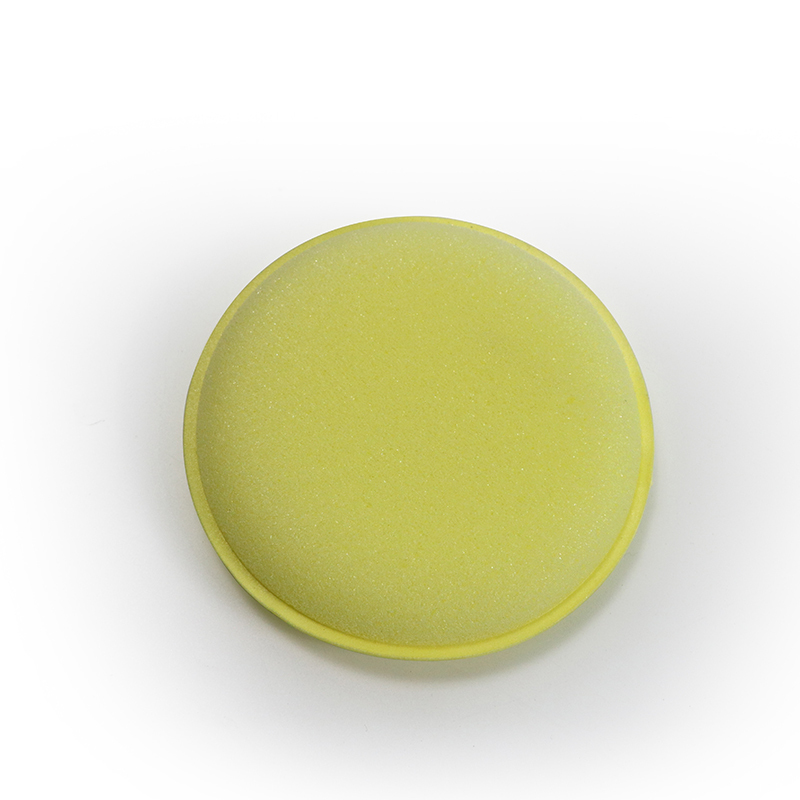
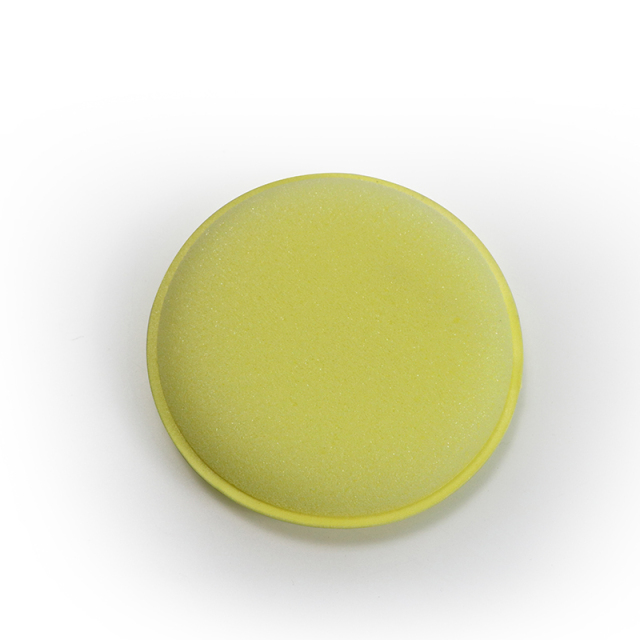
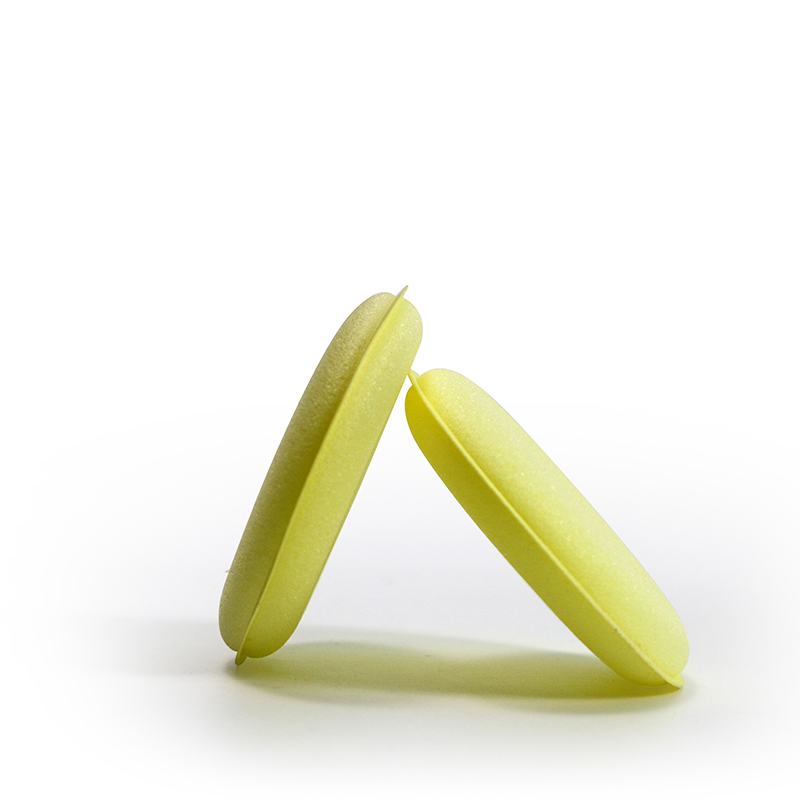
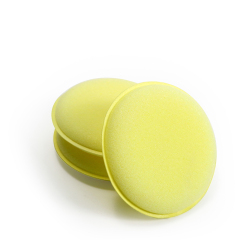
A car coating sponge is the last thing to touch the paint before protection goes on, so it has to carry liquid without dragging, shedding or dumping it in one place. This round PU foam pad is built for that moment: soft enough to follow a curved panel, firm enough to keep a flat contact patch under the fingers. Detailers use it to lay down a car ceramic coating, and the same shops reach for it when a wax or sealant job comes in between coatings.
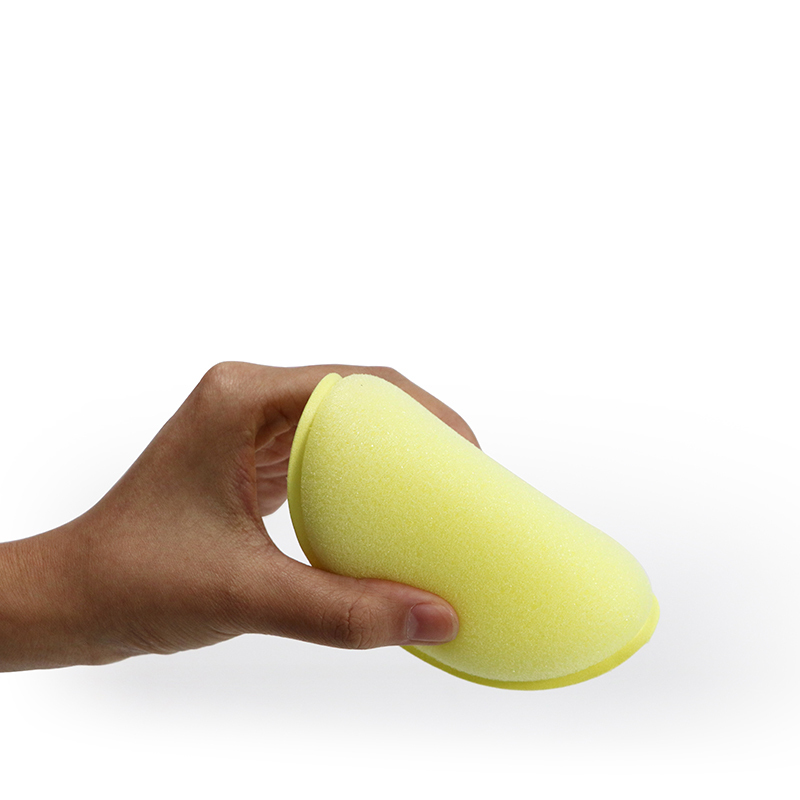
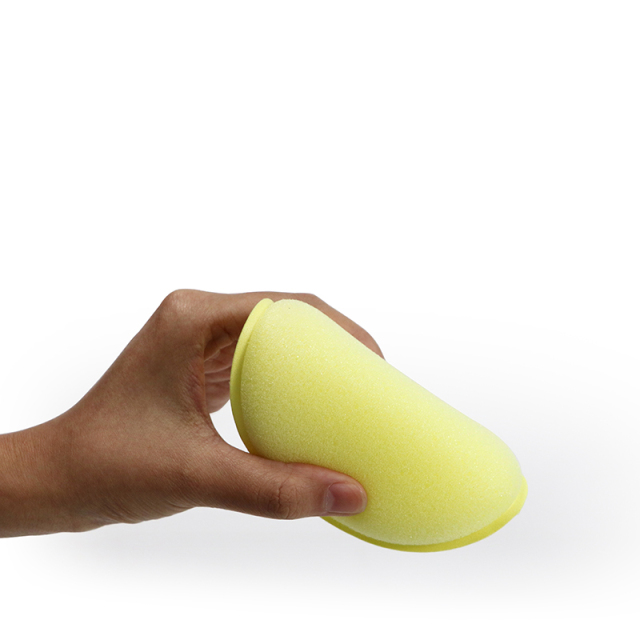
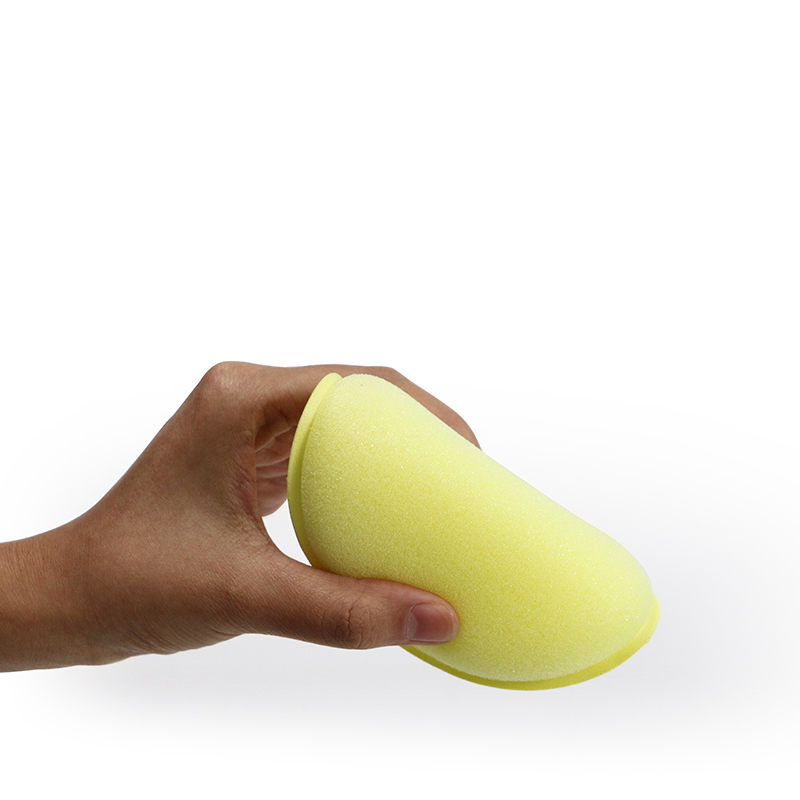
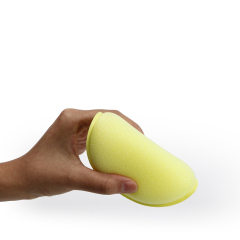
The pad is hand-held by design. Machines cut and polish; an applicator is what transfers product onto the panel as a thin, even film. Because the foam compresses under finger pressure, the person working the panel decides how much liquid reaches the surface — useful when the difference between a clean coat and a high spot is one heavier pass.
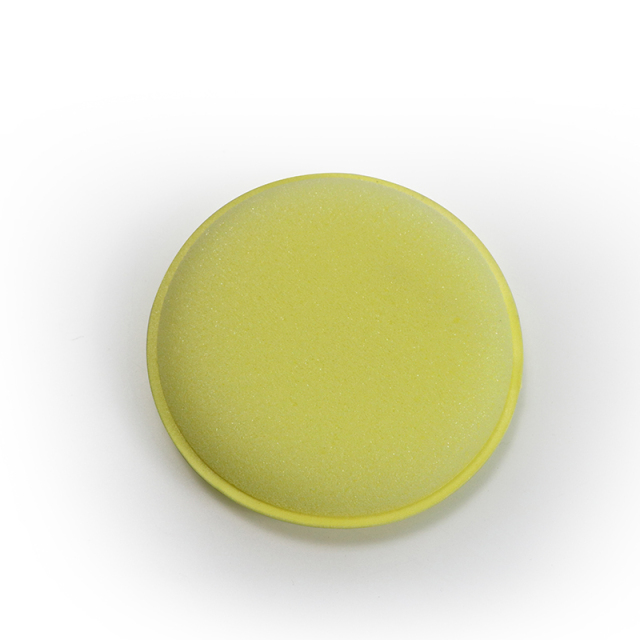
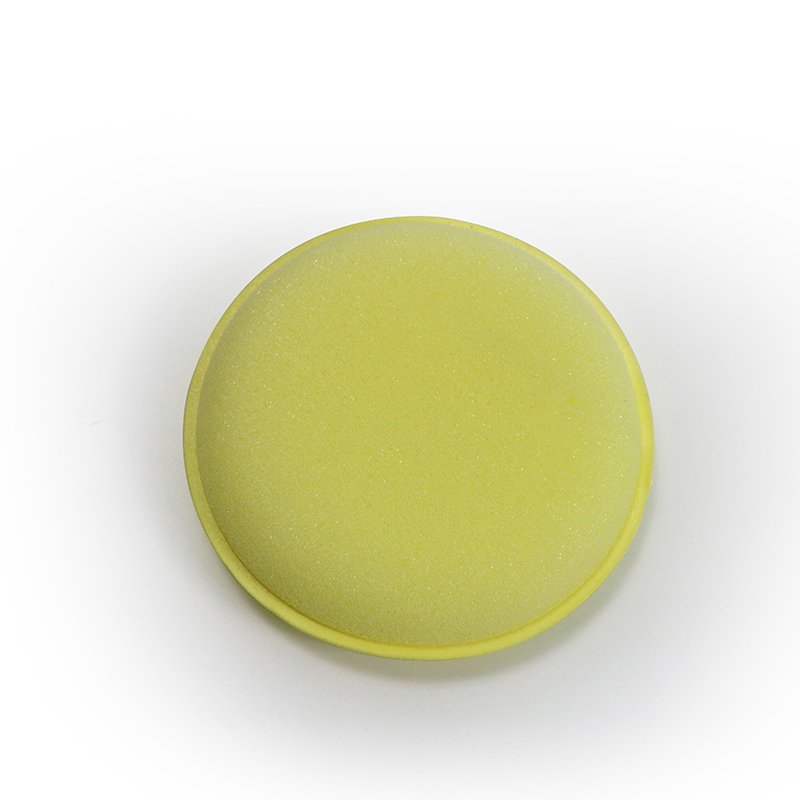
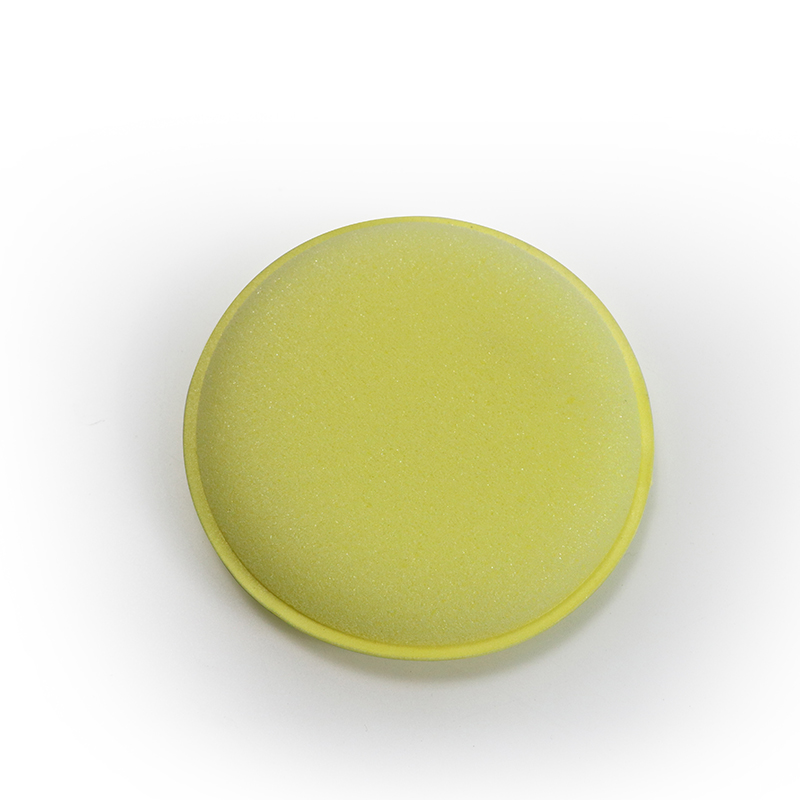
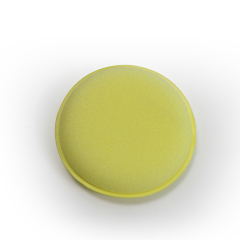
The round face is what makes it usable on real cars. There is no corner to catch, so the pad can be rolled across a curve and kept flat instead of riding on an edge and skipping the middle of the panel.
Shops that already buy their chemistry from ceramic coating suppliers keep this pad on the same reorder line, because a ceramic coating car care job cannot be finished without one. It is loaded, worked and retired with the section rather than carried from vehicle to vehicle.
Build is what separates a pad that lasts a panel from one that comes apart mid-coat. Foam density, face texture and edge profile are held to a fixed specification, which is the level of control you would expect from a car wax manufacturer that also supplies the liquid going onto the pad.
Material & Build
- PU foam body: polyurethane holds its shape when it is wet with a solvent-borne product, so the pad does not flatten into a disc halfway along a panel the way a softer washing sponge does.
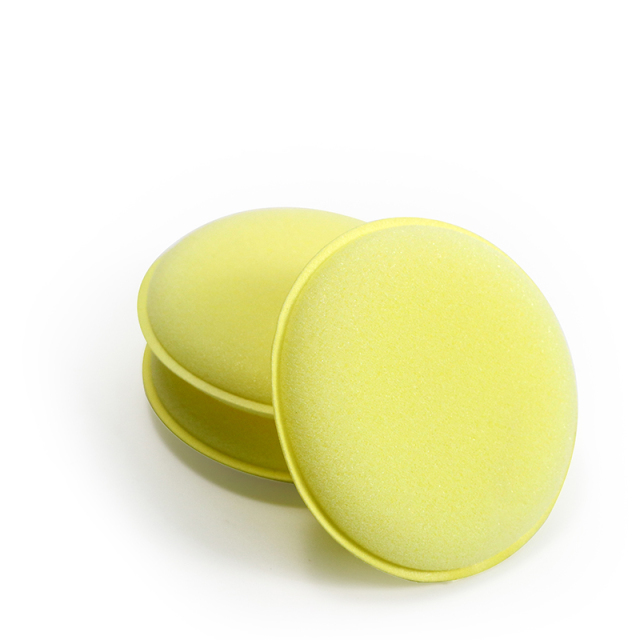
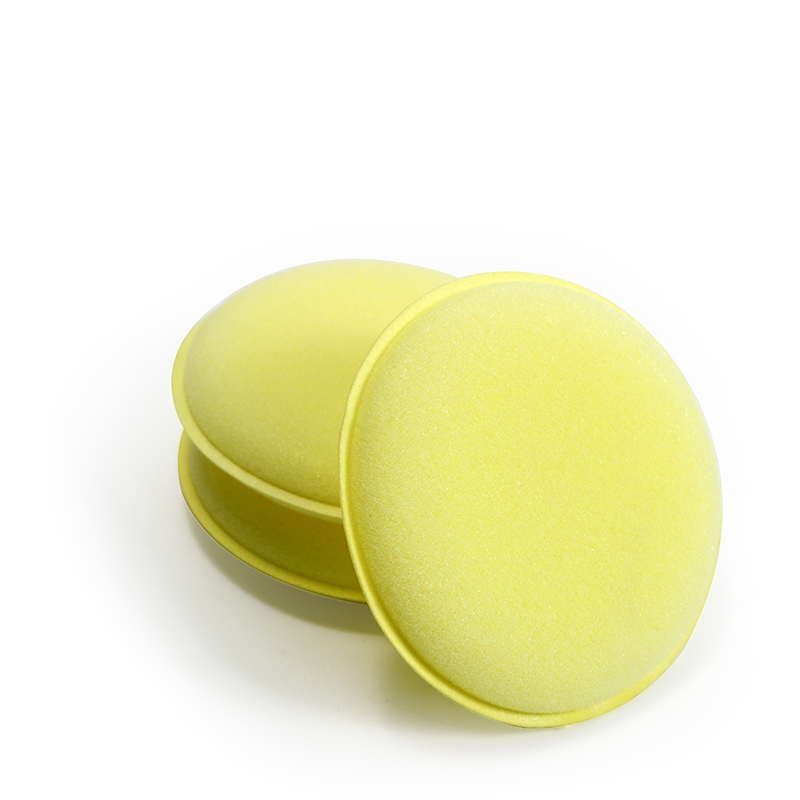
- Open, porous face: the textured side grabs and holds the liquid, then releases it gradually as you move, which is what keeps an auto ceramic coating thin and even instead of pooled at the start of the pass.
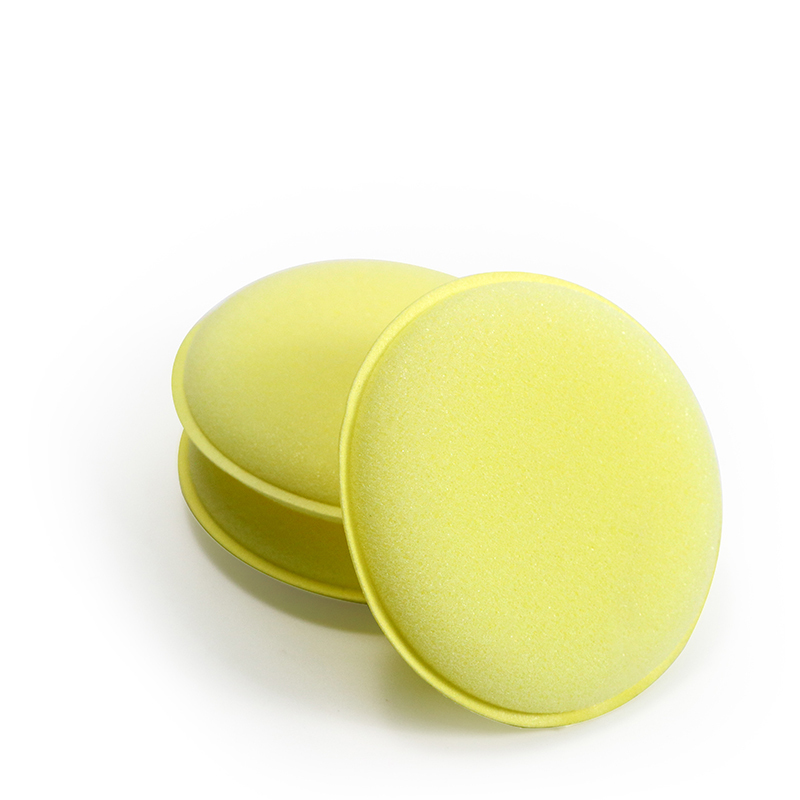
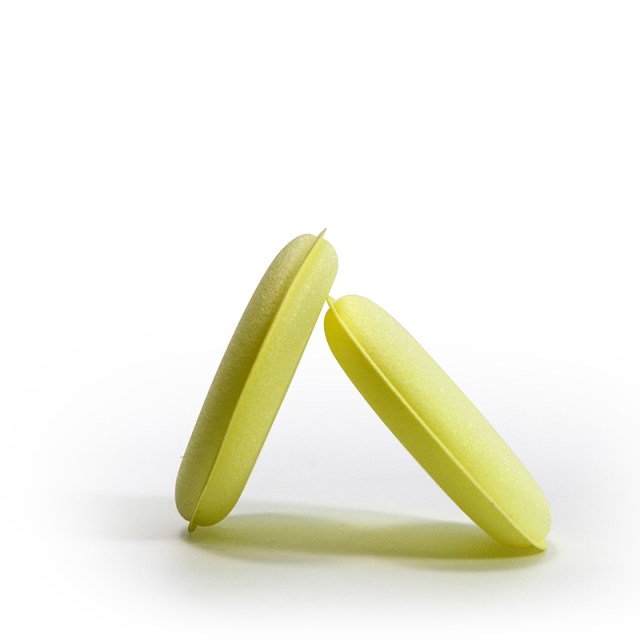
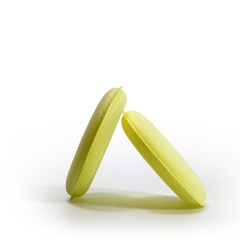
- Smooth reverse: a flat back gives the fingers a stable side to press against, so hand pressure travels through the foam evenly — the first thing a professional ceramic coating technician notices when a cheaper pad is swapped in.
- Rounded, cushioned edge: the rim rolls slightly, so the pad does not cut a hard line of product along a crease or a shut line.
- Flexible across the face: it follows crown, curvature and bumper returns without lifting at the edges, which are the areas where ceramic coating car care work is easiest to get wrong.
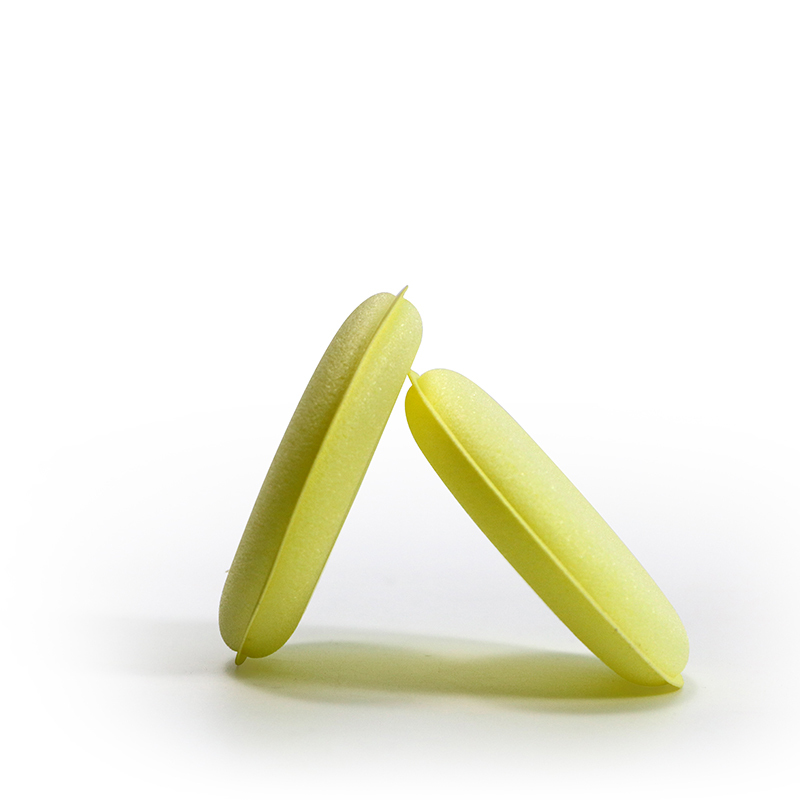
- Pale yellow foam: the colour makes loading visible, so you can see whether the face is evenly primed and catch a dry patch before it drags across the paint.
Where It Is Used
- Full-body coating work: pad, liquid and levelling cloth move in one hand-to-hand rhythm, with the pad replaced as soon as the face starts to feel tacky.
- Wax and sealant top-ups: the same shape lays down a liquid car wax in a thin, even layer that buffs off without streaking.
- Trim, plastic and rubber: dressings and trim restorers sit better on a foam edge than on a cloth, especially across textured grain and around grilles.
- Wheels and calipers: an auto ceramic coating is easier to control on a curved spoke with a small round pad than with a folded towel.
- Bumper returns, pillars, mirror caps and the area around badges — small panels where a rectangular applicator block is too big to stay flat.
- Mobile and after-hours work: nothing to plug in, no backing plate to match, and enough pads in the case to finish a professional ceramic coating job away from the shop.
- Chain operations and distributors: standardising one applicator across branches keeps coating results comparable, and it is one line to reorder from your ceramic coating suppliers rather than several.
Coating & Wax Application
- Start with a clean, decontaminated panel. A ceramic coating on car paint locks in whatever sits underneath, so wash, decontaminate and wipe the surface down before the pad touches it.
- Prime the face. Work a little product into the foam with a gloved finger until the surface is damp rather than wet, so the first pass delivers the same film as the tenth.
- Load sparingly and re-load often. A short line of product across the leading edge covers one section; overloading is what pushes liquid into panel gaps and leaves a heavy trail at the start of each pass.
- Work in overlapping straight passes rather than circles — front to back on horizontals, top to bottom on verticals, keeping the whole face flat on the panel.
- Rotate the pad as you go. The leading edge carries most of the product, so turning the pad slightly between sections stops one side running wet while the other runs dry.
- Level while the product is still workable. Follow the pad with a clean, dry microfiber on the same section; a car ceramic coating and a wax both want to be spread thin and levelled before they set.
- Check under a low-angle light. High spots show as a faint smear or a darker patch — catch them while the residue is soft and the section can still be re-levelled.
- Keep products on their own pads. A pad that has carried coating should never go back into a wax, a sealant or the coating bottle itself.
- Work clean.
- Keep a dry microfiber beside the pad and wipe the face after every section; the crust that forms at the rim is what gets dragged back across the next panel.
- After a car wax or a dressing job the pad can usually be washed: rinse it in warm water with a mild detergent, squeeze rather than twist, and dry it face up somewhere dust-free.
- That is worth the two minutes — a clean, dry pad loads predictably, and the next job starts from a flat face.
- Retire a pad when the face feels hard, when the edge begins to crumble, or when it holds its shape after squeezing.
- A tired pad lays product down unevenly, and the result shows up later as a patchy coat rather than an obviously worn sponge — the quiet failure behind most ceramic coating car care comebacks.
- Store unused pads dry and uncompressed: a lidded tub or a bag, not the bottom of a bucket.
- Foam that has sat under weight takes a set and never lies flat on a panel again.
Specifications
| Property | Value |
|---|
| Brand | SURAINBOW |
| Model | T-617 |
| Product name | Round car coating sponge |
| Material | PU sponge |
| Shape | Round |
| Diameter | 10 cm |
| Thickness | 1.5 cm |
| Unit weight | 0.03 kg |
| Face | Porous textured foam with a smooth reverse |
| Edge | Rounded cushion profile |
| Main use | Applying liquid wax and coating products; hand cleaning of car surfaces |
| Application | Car detailing |
Samples, Artwork & Batch Records
- Ask your sales contact about sample availability before you commit to a carton. When you are comparing ceramic coating suppliers, send the liquid the pad will carry, the destination market and the pack format you have in mind, so the sample matches the production version.
- Test with your own chemistry. Load the sample with the coating or wax you actually sell, work a test panel and judge loading, release and face condition afterwards; a single pass of a ceramic coating on car paint reveals more than any photograph.
- Approve the pack, not just the pad. Labels, cartons and shipping marks are proofed against your artwork file before production, including language, barcode and any claim you plan to carry into the market.
- Seal the approved sample. Once pad, count and pack are agreed, that sample becomes the reference the bulk run is checked against, and it settles any later discussion about what was approved.
- Ask for the batch record that goes with the carton. Retained samples and inspection notes stay on file, which is the paper trail distributors expect from a car wax manufacturer and the fastest way to close a query about one box in a shipment.
- Close the loop with evidence. Photographs of the carton and the pad, plus the quantity affected, let an issue be checked against the sealed sample instead of argued about.
Ordering, Shipping & After-Sales
| Item | Detail |
|---|
| Availability | In stock and fast shipping |
| Your own label | OEM accepted; label and carton confirmed before production |
| Combined orders | Pads can be added to a coating or wax order and consolidated for dispatch |
| Sample charges | Scope and any applicable sample or courier charges are confirmed by your sales contact before dispatch |
| Shipping methods | DHL, UPS, FedEx, LCL, 20FT, 40GP, 40HQ, or sea, air, rail and truck DDP |
| Export documents | MSDS/SDS, CoA, GHS label information, commercial invoice, packing list and customs documents as required |
| Payment | Balance and payment schedule confirmed with your sales contact before shipment |
| Receiving checks | Packing, leakage or shortage reported within 7 days of receipt; quality concerns within 30 days |
Scale & Supply Capability
SURAINBOW is run by Guangzhou Liangdian Automotive Supplies Co., Ltd., a factory-trade operation set up in Guangzhou in 2010 and now 50 people strong. Sixteen years in car care have given us a one-stop supply position: our own SURAINBOW lines are held in stock for fast shipping, and an associate factory with modern production equipment and an established quality management system keeps replenishment moving. We take OEM and ODM work and our R&D team develops to your specification. Buyers in the Middle East, the United States, Southeast Asia, Europe, the UK, Russia, Africa and Australia already order from us.
FAQ
Which products can I apply with this sponge?
It is made for liquids that go on thin and level out: ceramic and graphene coatings, sealants, liquid wax and trim dressings. Follow the coating maker's instructions for loading, because a car ceramic coating flashes and needs levelling while a car wax simply buffs dry. Run a first panel before you commit a whole vehicle.
Can I use it for washing the car?
No — this is an applicator, not wash media. Coating and washing put opposite demands on foam: an auto ceramic coating needs a face that holds product against the paint, while wash media needs open cells that release grit into the bucket. Working this pad in the wash bucket would trap grit and drag it across the panels.
Will it work on PPF, vinyl or an existing coating?
The pad carries product; it does not cut or polish, so it is gentle on most surfaces. On paint protection film, vinyl or a coated car, use a soft, primed pad with light pressure and follow the product maker's preparation steps. When a ceramic coating on car paint is being layered or topped up, check the coating instructions first — the pad's job is only to keep the film even.
How many pads does a coating job take?
Most shops treat the pad as single-use on coating work: one per section, replaced as soon as the face feels tacky or firm. A professional ceramic coating job can therefore take several pads per vehicle, so keep a stack within reach rather than walking back to the bench. For wax and dressing work, one pad serves a whole car.
Will the foam leave lint or crumbs on the panel?
No. A PU pad does not break down into loose fibres the way a cloth or a common washing sponge does, so there is nothing to shed onto the paint. What can mark a panel is the product rather than the foam — a pad loaded too heavily leaves a heavier start to the pass — and that is a matter of loading, not of material.
Can the pad be cleaned and used again?
For wax, sealant and dressing work, yes: warm water, mild detergent, squeeze dry and store it flat. For coating work, treat it as single-use. Coating residue cures inside the open face and no wash takes it back to clean, even foam, so a second use risks dragging set product across fresh paint.