Product Overview
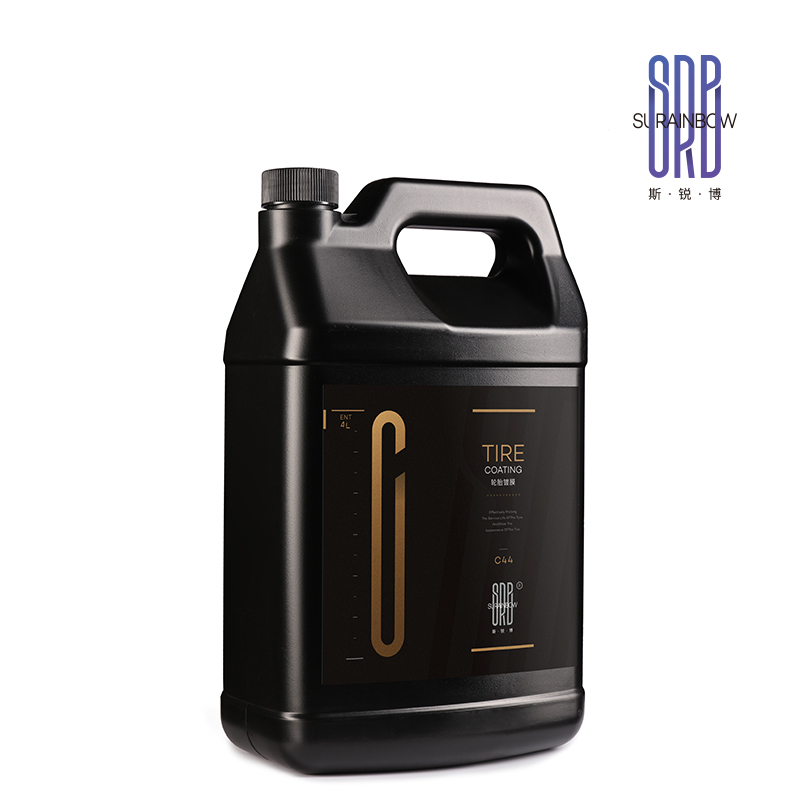
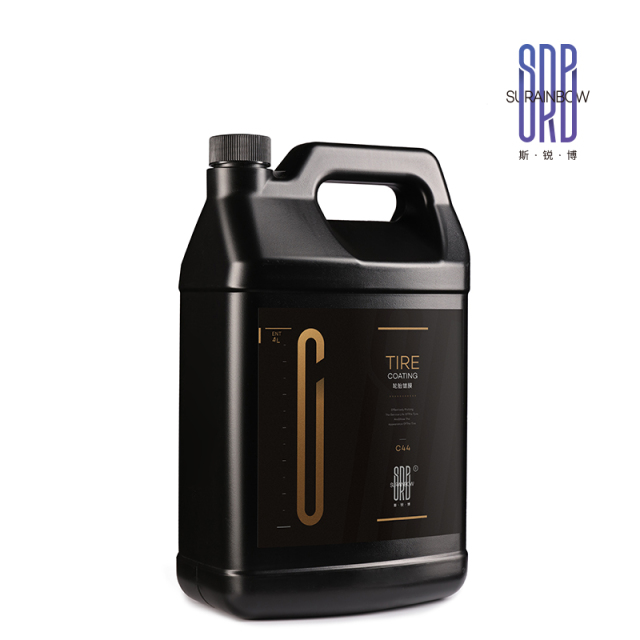
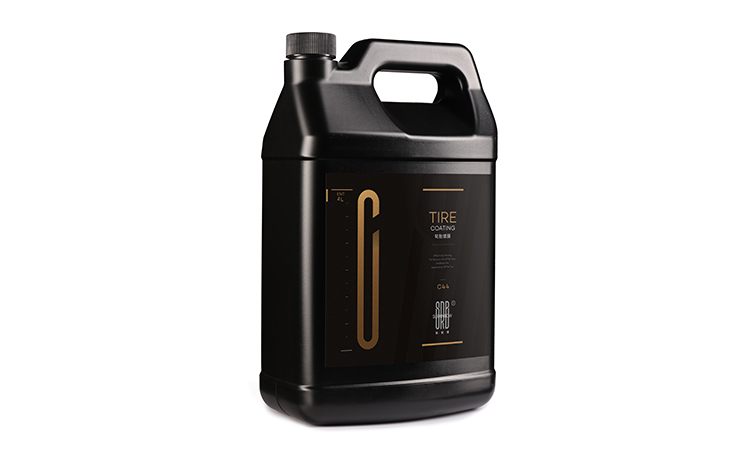
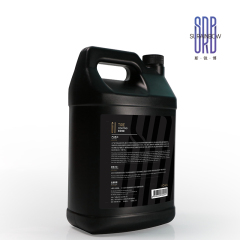
This is a ceramic coating for wheels and tires, supplied by SURAINBOW as model C-44 in a 4 L jug. It is a liquid product built for the rubber sidewall and the wheel face — the two areas of a car that collect the most brake dust, road film and sun.
On rubber it leaves a glossy, water-repellent film, so a cleaned sidewall looks freshly finished and water beads and runs off instead of soaking in. The same film carries UV protection, which works against the greying and browning that sunlight causes between details.
Preparation is what decides the result. Old dressing, brake dust and road film have to come off, and the tire and rim need to be completely dry before a thin coat goes on — coating a wet or dressed sidewall leaves a patchy finish that will not hold.
Wheel faces gain something different from the same product: brake dust and road film have less to grip, so the next wash takes less wheel cleaner and less brush work. Detailers use it as the last step of a wheel-on or wheel-off detail.
For a buyer, this is one line inside a full automotive ceramic coating programme rather than a standalone item — wheel and tire protection goes out in the same orders as the washes, dressings and applicators a shop reorders.
The 4 L container matches how car care is used up in a shop: a bay coating several vehicles a day empties product quickly, so the jug belongs in the ceramic coating car care stock a business reorders rather than being bought one car at a time.
Gloss without the grease — the coating levels to a shine on the sidewall, so a tire looks dressed without the oily feel a dressing leaves behind. Waterproofing you can see — water beads on the cured film and runs off instead of soaking into the rubber, so the sidewall still looks finished after rain. UV protection for rubber — the film screens sunlight, one of the main reasons tires fade to grey-brown between details. Two surfaces from one jug — the same ceramic coating for wheels and tires covers sidewalls and wheel faces, so a bay does not need a separate rim sealant. A professional ceramic coating format — a liquid applied by hand with an applicator sponge, with no machine and no mixing station. Even coverage by hand — the product spreads across the sidewall and into the lettering, so one pass gives consistent gloss instead of patches. Trade supply — the jugs go to importers, distributors and detailing chains as ceramic coating suppliers ship them: sealed, labelled and ready to sell on in your market.
Application & Surfaces
- Clean the tire and rim properly first. Strip old dressing, brake dust and road film with a wheel cleaner and a brush — a wheel ceramic coating applied over dressing or dust cannot bond evenly, and the finish will fail in patches.
- Rinse and dry completely. Water trapped in the sidewall lettering and in the groove between tire and rim dulls the finish and can lift the film as it cures.
- Work one wheel at a time. Load a clean coating applicator sponge and spread a thin, even layer across the sidewall, working the product into the lettering and the shoulder.
- Keep it on the rubber and the wheel face. Stay off the tread, and keep the product away from brake discs, calipers and any friction or high-heat surface.
- Test unfamiliar finishes. On painted, powder-coated, polished or aftermarket rims, coat one inconspicuous area, let it cure and check the result before doing a full set.
- Give it time to level. Let the film flow out and dry before you judge the gloss; if a second coat is part of your process, confirm the interval for your workshop temperature before you build it into the job sheet.
- Record your usage. Note how much a set of four takes on your first few cars so you can price the job and reorder before the jug runs out — a professional ceramic coating job is easier to cost once your own figures replace a guess.
Specifications
| Product | Wheel ceramic coating for tires and rims |
| Model | C-44 |
| Brand | SURAINBOW |
| Form | Liquid coating |
| Container size | 4 L |
| Weight | 4 kg |
| Function | Gloss finish, waterproofing, UV resistance |
| Intended use | Wheel and tire protection coating |
| Shelf life | 3 years |
| Documentation | MSDS |
| Units per carton | 4 |
| Carton size | 36 × 20 × 24 cm |
| Private label | Accepted on request |
| Country of origin | China |
| Selling unit | Single jug, ordered in multiples of 1 Gross weight per jug |
| 4.000 kg Carton pack | 4 jugs per carton Carton size |
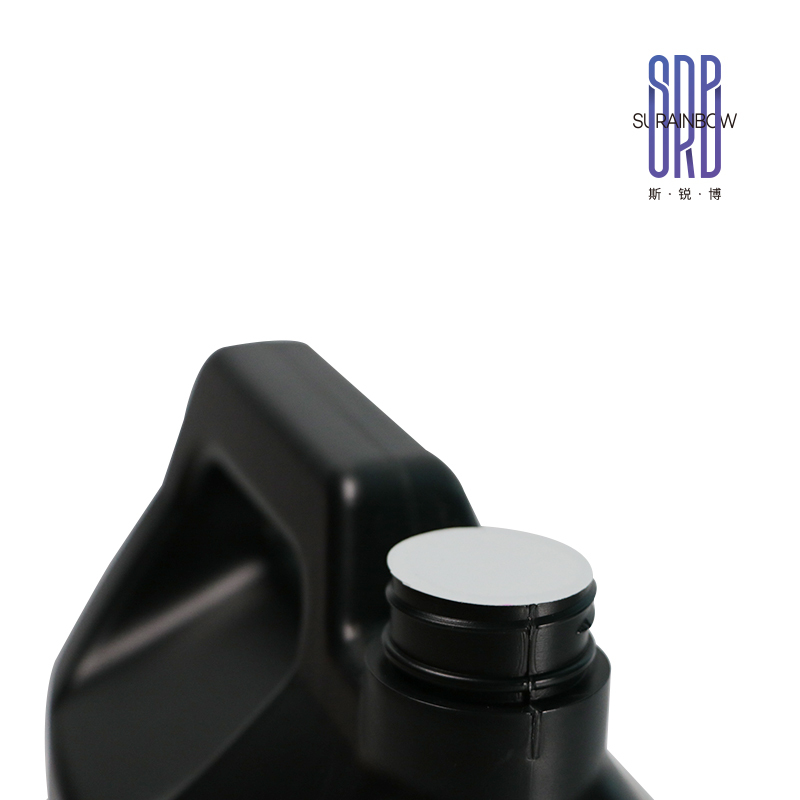
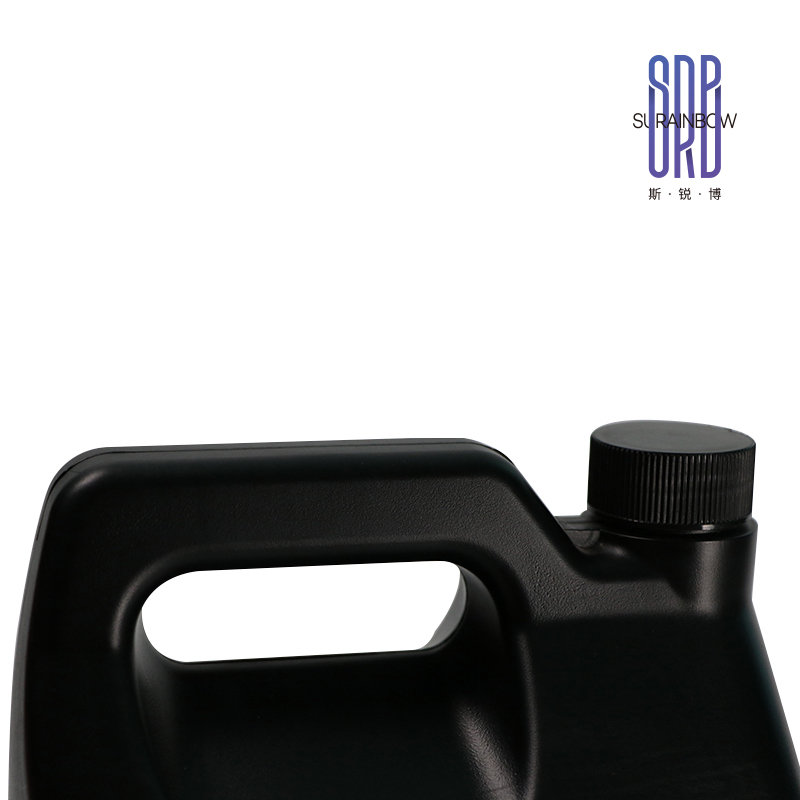
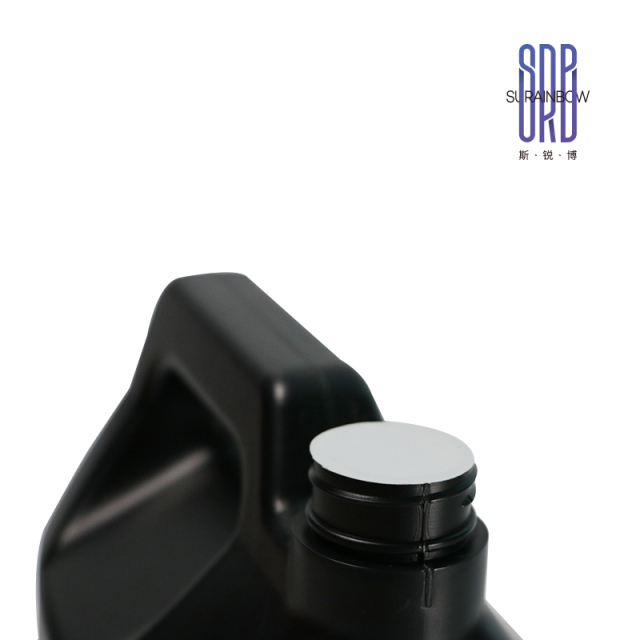
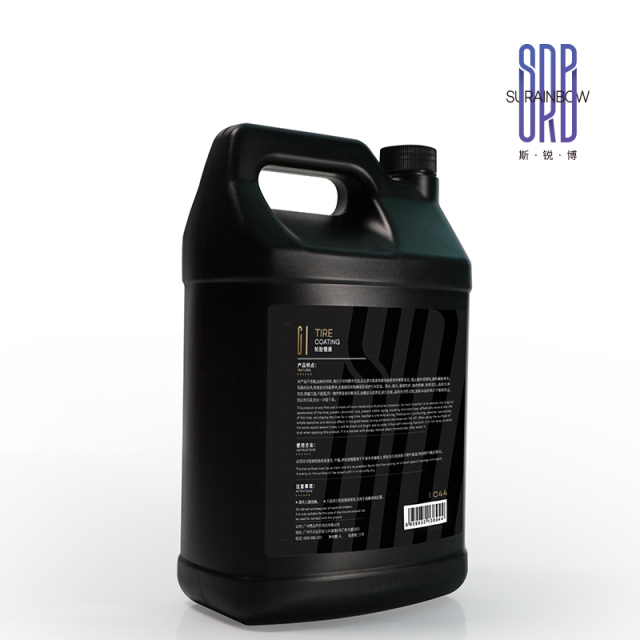
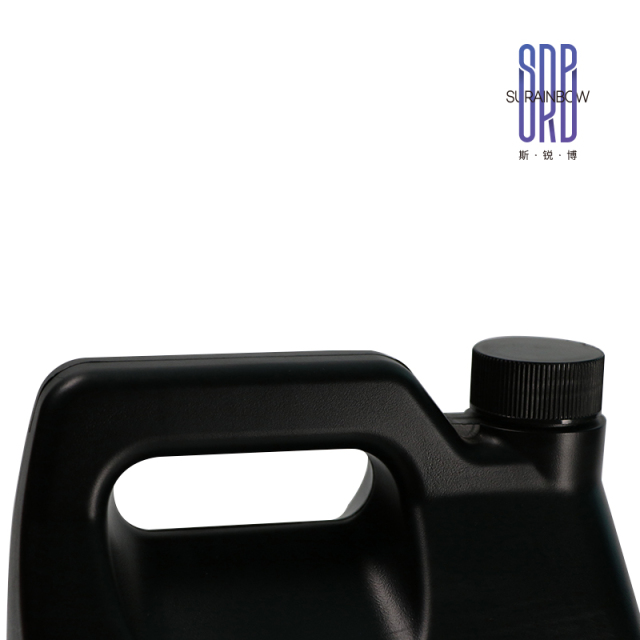
| 36 × 20 × 24 cm Container | 4 L black plastic jug with integrated handle Closure |
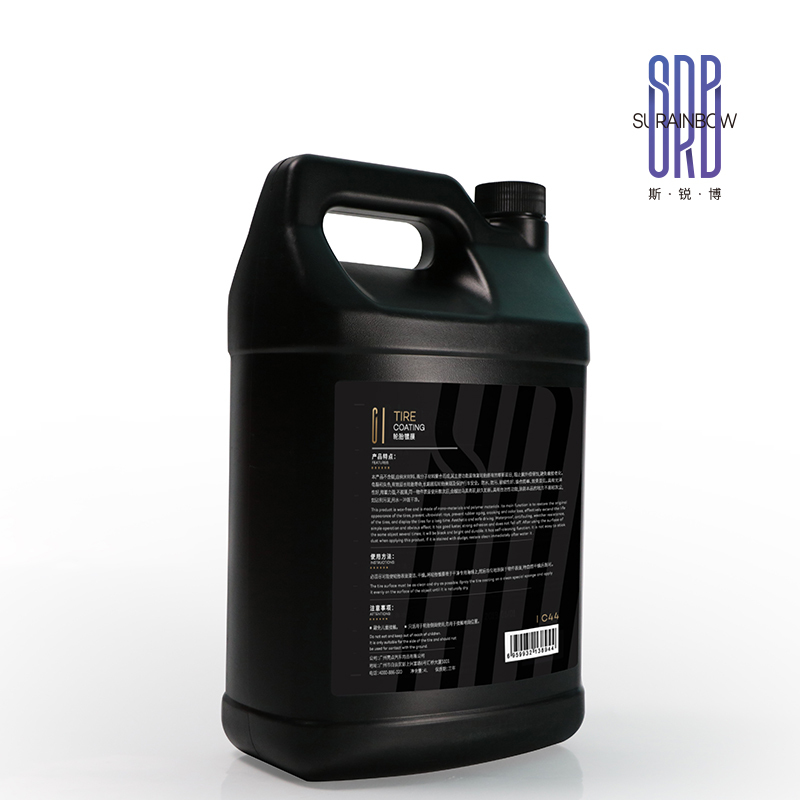
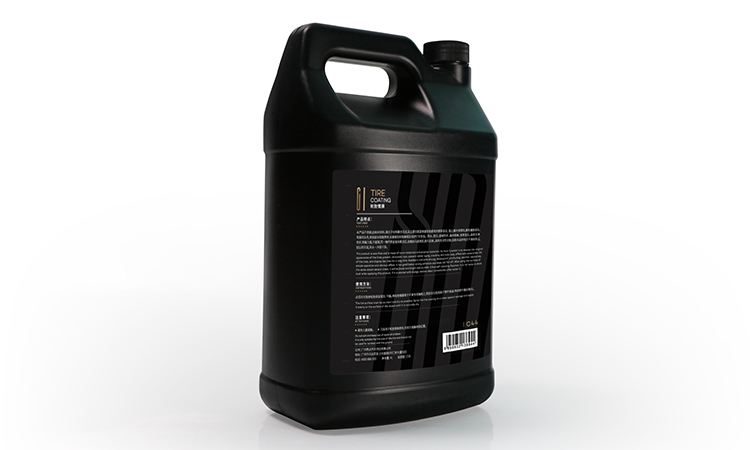
| Ribbed screw cap Labels | Printed front and back labels, with barcode Stock and dispatch |
| In stock and fast shipping | |
Sampling, Labels & Export Documents
- Order a sample first. Ask your sales contact to arrange a sample so your team can apply it on your own tires; any sample or courier charge is confirmed before dispatch.
- Test it the way your bay works. Apply it to a cleaned, dried sidewall at your normal working temperature and record how it spreads and how the finish holds — a written result is worth more than a memory when you compare ceramic coating products or batches.
- Seal the approved reference. Keep the approved sample and your written result as the acceptance standard for bulk, so a later delivery is compared with the same reference.
- Proof the packaging before printing. Front and back labels, barcode, language and carton marks are reviewed on a proof you approve; nothing is printed until it is signed off.
- Use your own brand. OEM production is accepted on this wholesale ceramic coating — send your artwork, label copy and barcode data, and confirm you hold the rights to the trademark you supply.
- Confirm the document set. An MSDS is listed for this automotive ceramic coating; tell us at quotation stage if your market also needs a CoA, GHS label information or specific customs paperwork, and we confirm what can be prepared.
- Local rules stay with you. Label language, claims and product registration in your destination market are confirmed by you or your importer — our review supports your artwork but does not replace your own sign-off.
Ordering & Supply Terms
The minimum order is 100 pcs — a level that suits a distributor's first stocking order or a detailing chain standardising a wheel step, and enough to make a wholesale ceramic coating shipment worth arranging.
We supply it as ceramic coating suppliers to importers, distributors, detailing chains and private-label brands, so orders are quoted for trade rather than for a single purchase at consumer level.
Balance payment is settled before dispatch. Payment method, currency and schedule are agreed with your sales contact when the order is confirmed, and the goods are released once that is complete.
Lead time and shipping method depend on quantity and destination. Confirm both, and the Incoterm used in your quotation, with your sales contact before a professional ceramic coating order is released for dispatch.
Documents travel with the shipment. Tell your sales contact which set your importer needs at quotation stage, so the paperwork is prepared before the goods leave rather than requested after the container has sailed.
After-Sales & Batch Traceability
- Check the delivery before you sign off — count cartons against the packing list and look for leaks, crushed corners or a wet carton that suggests a cracked jug.
- Note the batch number and the date on the label, and keep one jug sealed with the rest of your ceramic coating car care stock as your own reference.
- Report a problem with the batch number, the quantity affected and clear photos or a short video — packing, leakage or shortage issues within 7 days of receipt, product quality concerns within 30 days.
- We compare the batch with the approved sample and the retained reference and come back to you with the finding; the same route covers any other ceramic coating products on the same order.
- Ask for the batch record if your market needs one. We hold the production and inspection record for the batch, and as ceramic coating suppliers we can pass the relevant extract to you or your importer.
- Watch for separation or colour drift, which can happen to liquid car care in transit. Compare the jug with your sealed reference and check how it has been stored before concluding that the batch is out of specification.
Scale & Supply Capability
SURAINBOW is run by Guangzhou Liangdian Automotive Supplies Co., Ltd., a factory-trade operation set up in Guangzhou in 2010 and now 50 people strong. Sixteen years in car care have given us a one-stop supply position: our own SURAINBOW lines are held in stock for fast shipping, and an associate factory with modern production equipment and an established quality management system keeps replenishment moving. We take OEM and ODM work and our R&D team develops to your specification. Buyers in the Middle East, the United States, Southeast Asia, Europe, the UK, Russia, Africa and Australia already order from us.
FAQ
Can this ceramic coating for wheels be used on painted or aftermarket rims?
Yes, with a test first. The product is specified for wheel and tire protection, and it is used on rubber sidewalls and wheel faces. On painted, powder-coated, polished or aftermarket rims, coat one inconspicuous area, let it cure and check the result before you do a full set — some finishes react differently from bare rubber.
How is a wheel ceramic coating different from a tire dressing?
A dressing sits on the rubber as an oily or silicone film and washes off quickly; this coating is a ceramic liquid that leaves a water-repellent, UV-resistant film on the sidewall and the wheel face. It asks for more preparation — a clean, dry surface — and in return the gloss does not come with the greasy feel a dressing leaves.
Does this automotive ceramic coating need diluting before use?
It is supplied as a 4 L liquid and worked in by hand with an applicator sponge. If your process calls for a cut version or a sprayer, agree the working method with our team and run a test panel before changing anything in the bay — how the product is applied changes both the finish and the amount used per car.
Where does it fit in a full ceramic coating car care routine?
At the wheel step, after the tires and rims have been washed and dried and after any paint or interior work is finished. It goes on rubber and wheel faces rather than bodywork, so it can be done while a paint coating is curing elsewhere in the shop, and the car should stand before it leaves the bay.
How much does a 4 L jug cover?
Coverage depends on tire size, how heavily the applicator is loaded and how many coats go on, so we do not quote a per-car figure. Measure your own usage over the first few vehicles — the number you get is the one to use when you compare ceramic coating products on cost per car.