Product Overview
A super hydrophobic ceramic coating that goes onto two surfaces in one visit: automotive clear coat and automotive glass. Detailing studios, coating installers, dealership prep bays and distributors carrying a full range order it for the same reason: a vehicle that comes in for paint correction can leave with the glass done as well, without a second product on the trolley or a second decision about which bottle belongs on which surface. Most shops that run a paint crystal, a glass treatment and a separate ceramic car polish line end up with one product that turns over and two that sit on the shelf. This model collapses the body and glass stages into a single line that moves on every full-vehicle job. In the bay the routine is the familiar one — correction, panel wipe, a thin application, hand levelling once it flashes, then a cure out of the weather. What changes is that the glass is prepared and coated in the same session instead of being booked as a separate visit. For a distributor the gain is range discipline.
Paint & Glass in One Coating
- On clear coat. The coating stays on the surface, unlike a ceramic car polish that is worked in and buffed away. The cured film sheds water and road film, so a panel dries down with less towel work between services.
- On glass. This is a car glass ceramic coating as much as a paint product. Windscreens, side glass and mirrors all take it, and rain clears in sheets instead of smearing across the driver's line of sight.
- Two preparations, not one. Clear coat is polished and panel-wiped; glass is scrubbed, rinsed and left bone dry, with residue kept off the rubber and the edges. The most common disappointment on a windscreen comes from skipping that second routine, not from the coating.
- One line instead of two. It is sold as a car paint protective coating with the glass step built in, so a shop already stocking a paint crystal does not have to add a second carton to cover the windscreen.
- Behaviour in the wash. Coated panels release shampoo and grime more readily, and coated glass stops holding the dried water marks that collect along the wiper arcs after a wash-down.
- Where this product is not the answer. Interior trim, rubber, fabric hoods, wheels and paint protection film each need their own product. As a ceramic coating supplier we would rather point you to the right item in the range than have you find out on a customer's car.
Sampling, Testing & Sample Approval
Sampling, testing and confirmation can all take place before a bulk order. Send the surfaces you intend to coat, your destination market and the packaging direction, and the sample is prepared against that brief rather than pulled off a shelf.
What matters on a ceramic coating for car paint is how it behaves in your own bay: how quickly it flashes at your working temperature, how cleanly it levels on your panels, and how the water behaviour reads once it has cured. Run it on a test panel before it goes anywhere near a customer's car.
Sample scope and any applicable sample or courier charges are confirmed with your sales contact before dispatch, so both sides know exactly what is being evaluated and what it costs to get it there.
When the result is right, the approved sample is sealed as the bulk acceptance reference. As a ceramic coating supplier we compare later production against that sealed unit and the written specification, not against a memory of how it looked on the day.
Ask for the current technical data sheet and composition statement for your market at the same time, along with the coverage guidance for the vehicle sizes you actually work on. That way the test panel and the paperwork are approved together rather than one after the other.
Application Sequence
- Correct and clean the paint first. This is a coating, not a ceramic car polish — defect removal happens with a compound and pad beforehand, then the panel is wiped down to strip polishing oils. Coating over uncorrected paint simply locks the defects in.
- Panel-wipe before you start. A slow panel wipe worked panel by panel and wiped dry gives the film a clean surface to bond to. It is the step most often rushed when a car is waiting.
- Prepare the glass as its own surface. A car glass ceramic coating needs the pane scrubbed, rinsed and completely dry, with polish and dressing residue kept off the edges and the rubber.
- Finish one pane before moving to the next.
- Apply thin with the applicator. A few drops on the sponge, worked in overlapping passes, is enough. The coating should sit as a thin even film rather than a wet layer — more product does not mean more protection, it means a harder wipe-down.
- Level before it sets. Once the film starts to flash, wipe it down with a clean microfiber, turning to a dry face as you go. On a ceramic coating for car paint, a heavy or late wipe-down is exactly what leaves the streaks customers complain about.
- Keep it dry through cure. Move the car out of the wash bay and out of the rain, follow the cure window confirmed for your climate before the first wash, and keep that first wash pH-neutral.
Specifications
| Product name | Class plating crystal |
| Model number | P985 |
| Type | Car polish, super hydrophobic ceramic coating |
| Use | Car body beauty and automotive glass crystal |
| Application | Car body surface and automotive glass |
| Brand | SURAINBOW |
| Unit weight | 0.64 kg |
| Shelf life | 3 years |
| Place of origin | Guangdong, China |
| Selling unit | Multiple of 12 |
| Packing type | 12 pcs per carton |
| Quantity reference | 60 pcs |
| Package size per batch | 51 × 36 × 19 cm |
| Gross weight per batch | 8.160 kg |
Packing & Box Presentation
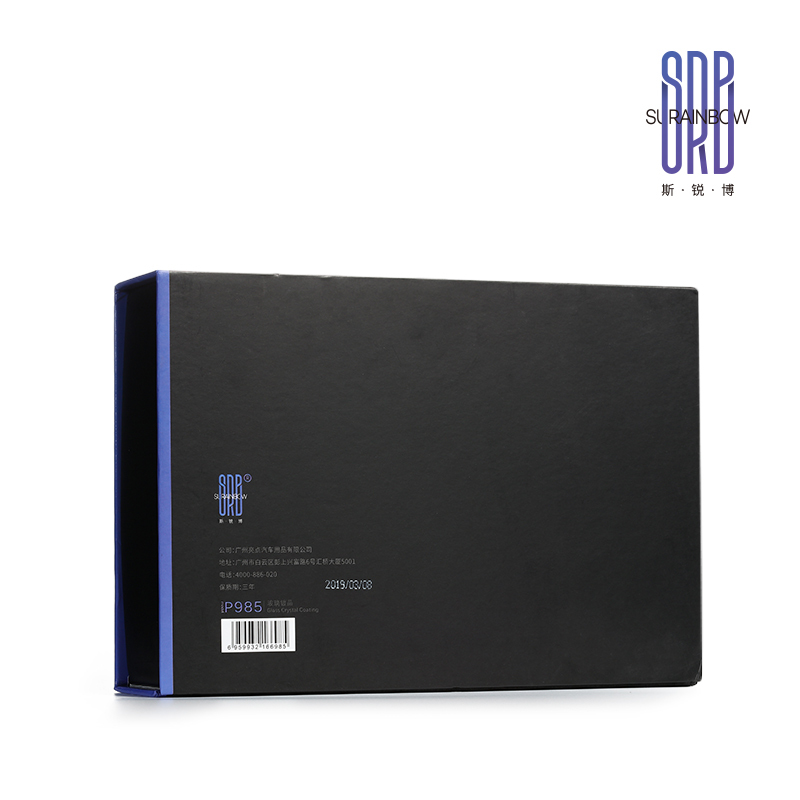
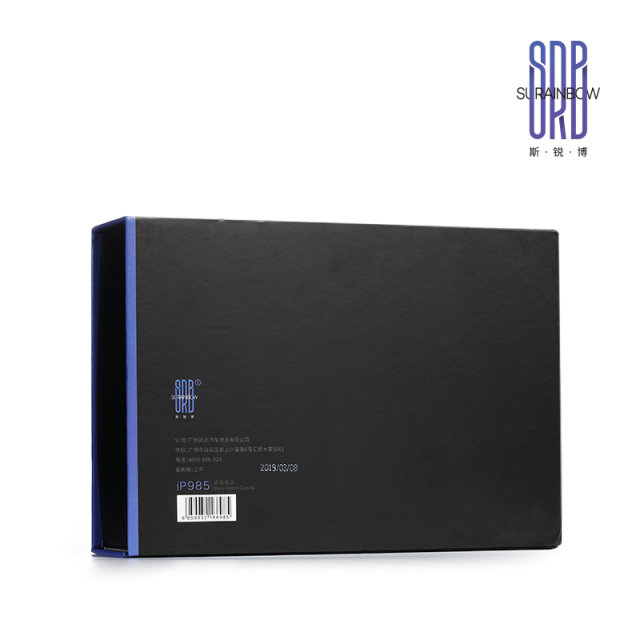
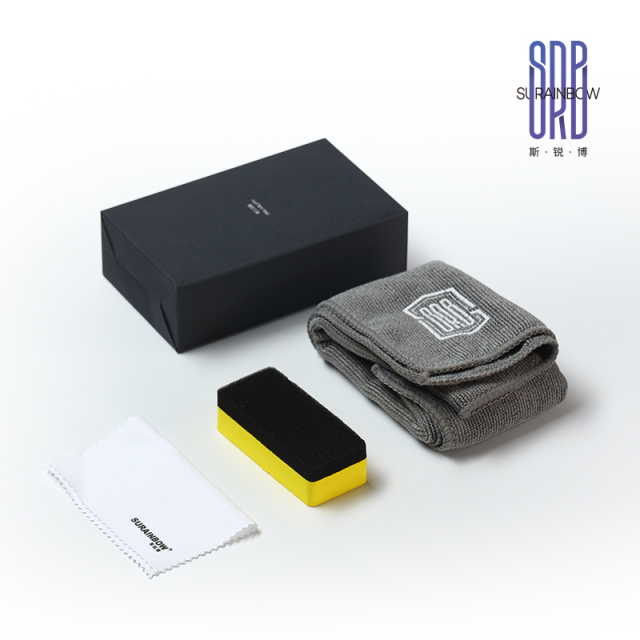
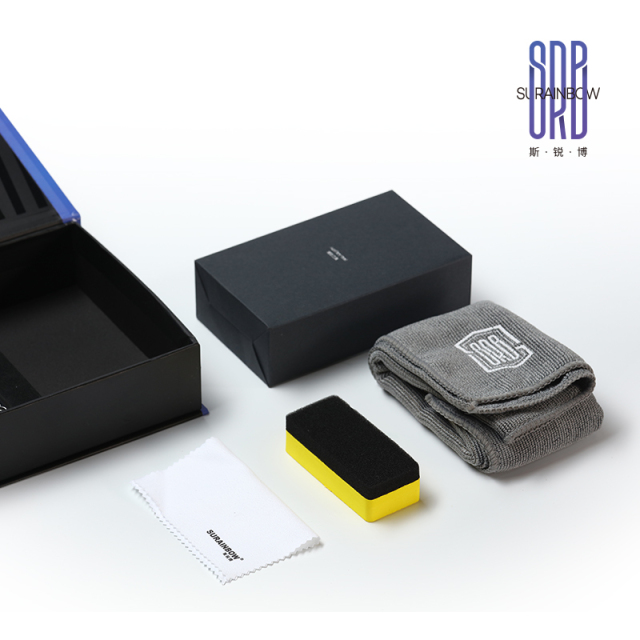
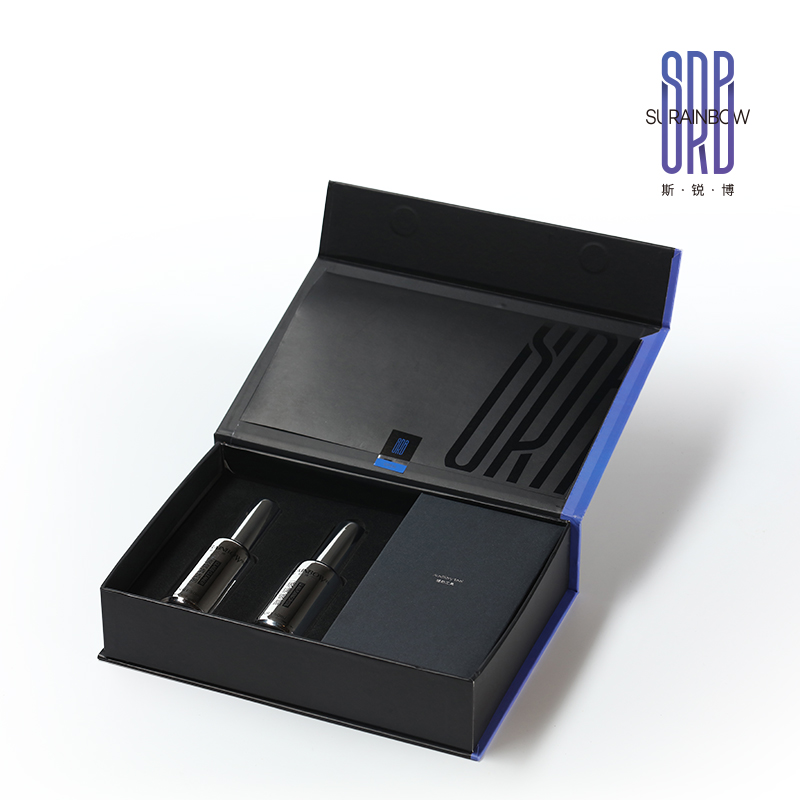
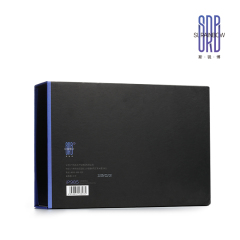
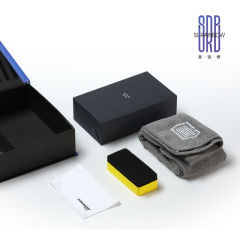
- The packaging box. A textured matte black box with a blue accent line and a hinged lid, carrying the SURAINBOW name on the front and a printed label with a barcode on the back for barcode scanning.
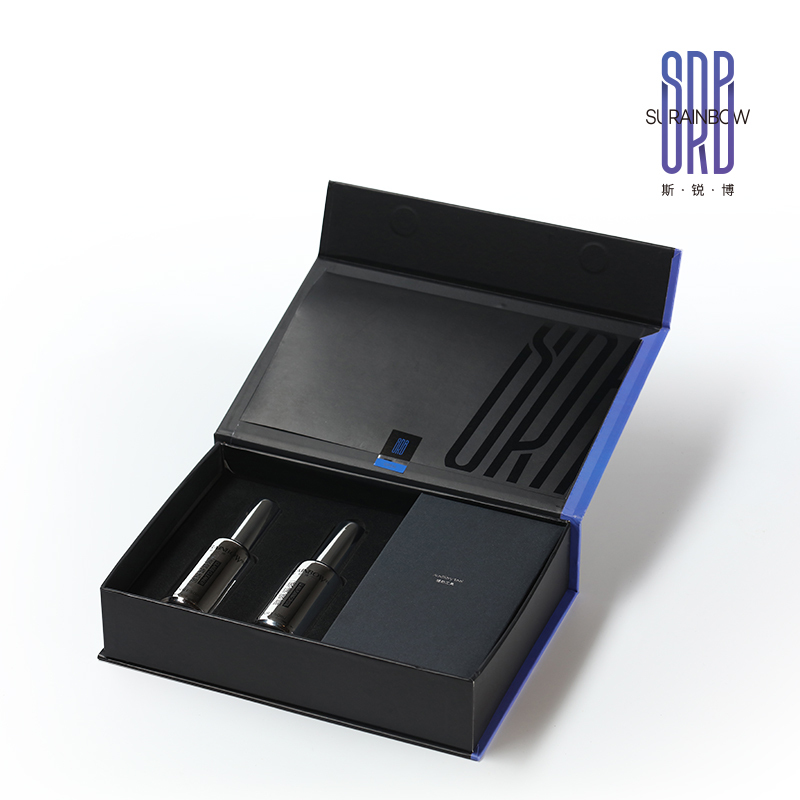
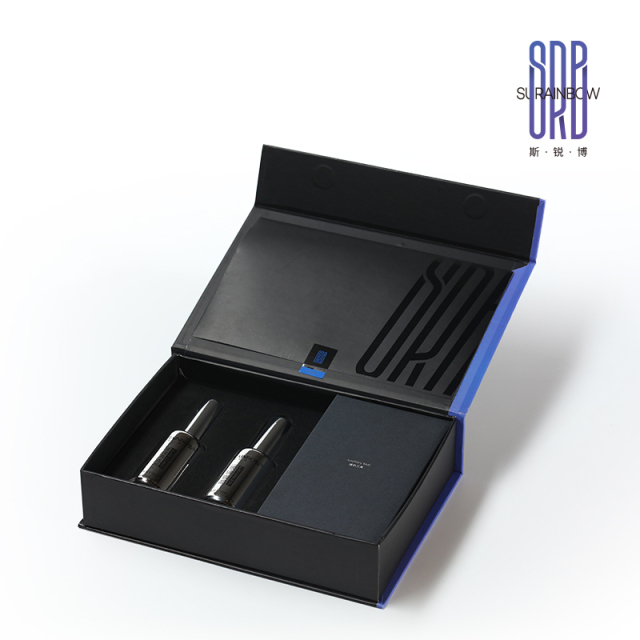
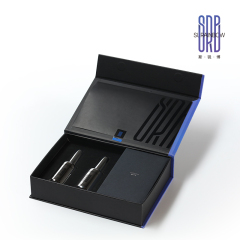
- Inside. Two small coating vials with silver metallic labels and black caps, seated in a black foam insert so they travel without knocking against each other.
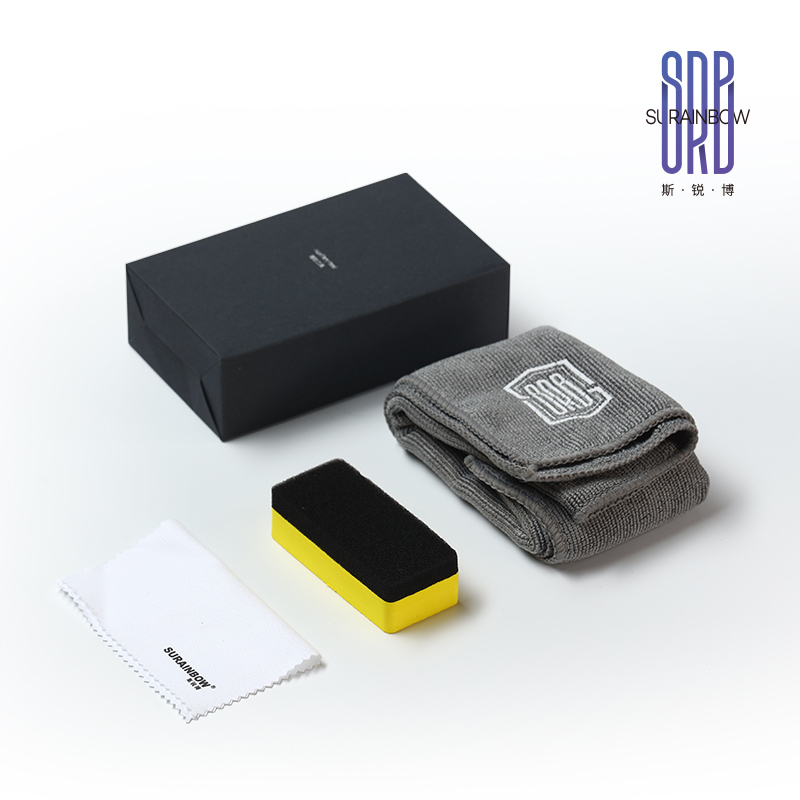
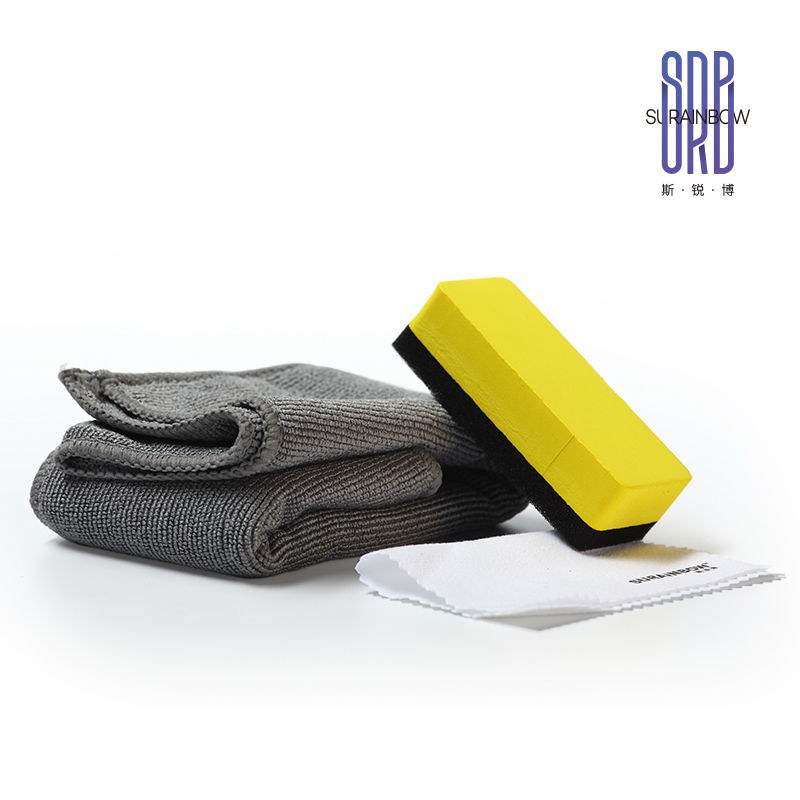
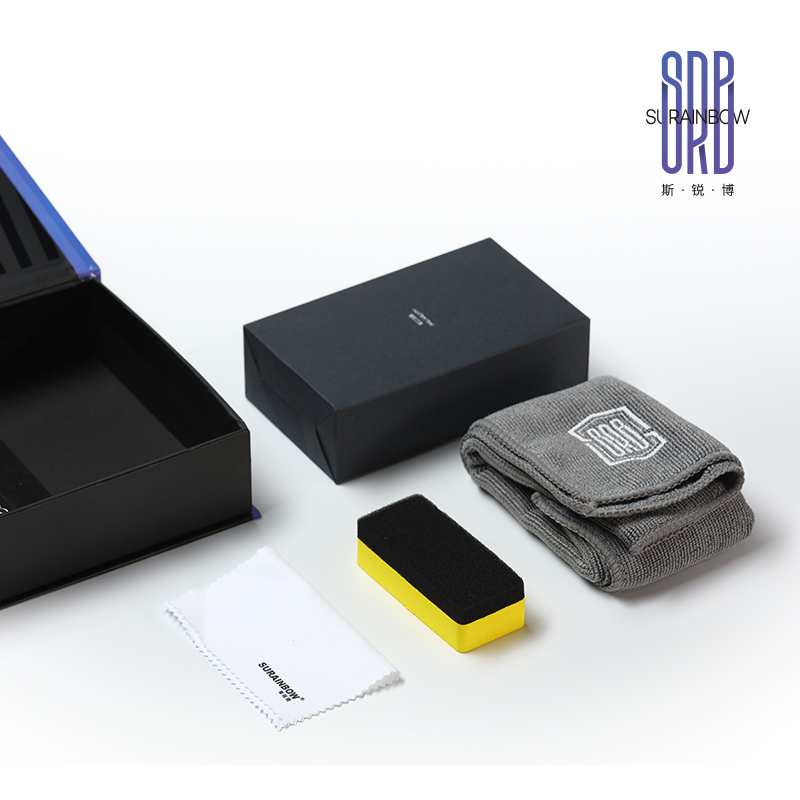
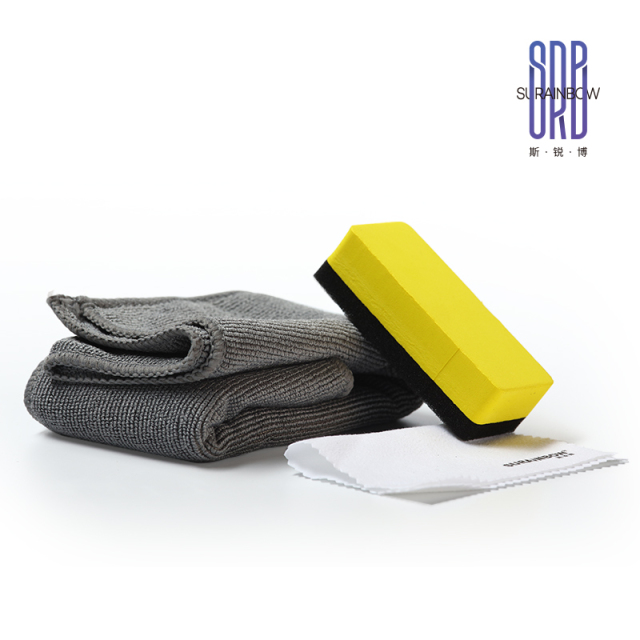
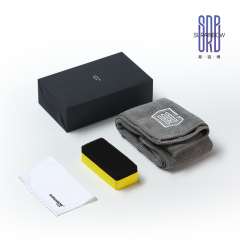
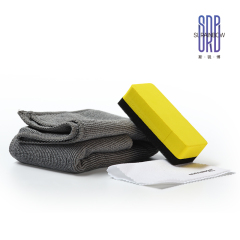
- The tools in the kit. A yellow-and-black applicator sponge and wiping cloths ship with the unit, so an end customer can use it without buying applicators separately.
- The booklet. A black application booklet sits under the insert with the working steps, which keeps the routine with the product in the bay rather than in someone's memory.
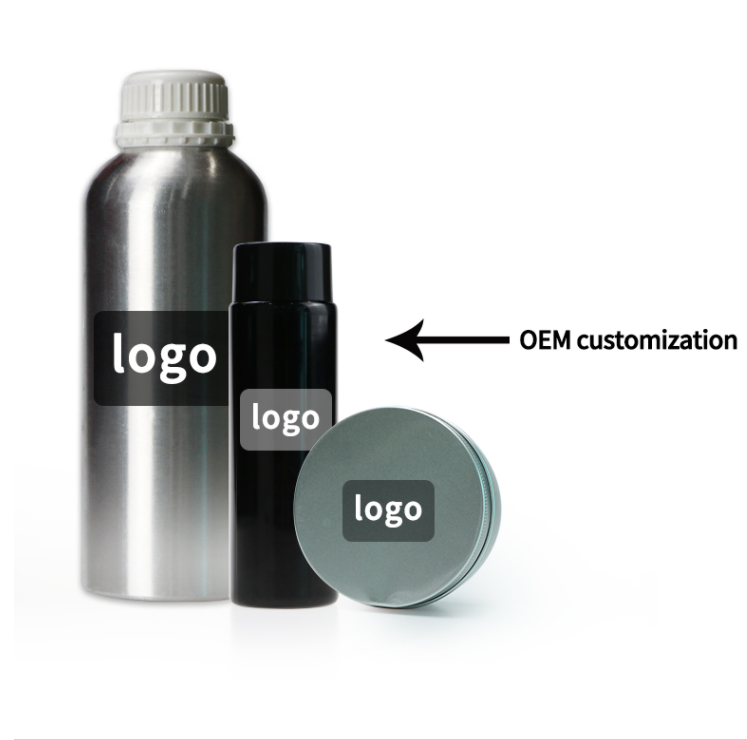
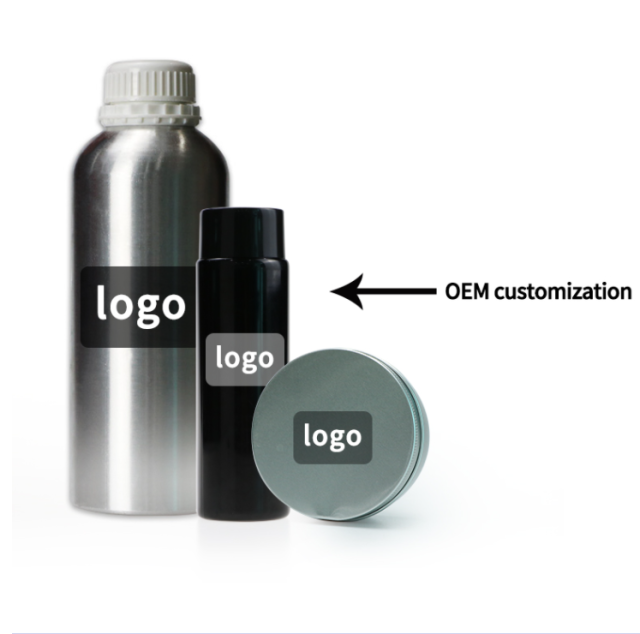
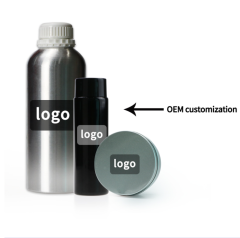
- OEM ceramic coating packaging. Box artwork, label text, barcode data and carton marks can all be produced to your brand, and the proof is approved before the print run starts.
- Shelf-ready presentation. The box carries the product name, the brand and a scannable barcode, so a distributor can place the unit on a shelf as a car paint protective coating without relabelling or repacking it.
- Why we pack it this way. As a ceramic coating manufacturer we would rather ship a unit a customer can open and use than a bottle that needs a second purchase before the first job.
After-Sales & Batch Traceability
| Batch reference | Recorded at production and quoted back to you when you raise an issue |
| Retained samples | Held from each run so a later batch can be compared with the approved reference |
| Acceptance reference | The sealed approved sample plus the written specification and any tolerances both sides agreed |
| Packing, leakage or shortage | Report within 7 days of receipt |
| Product quality concern | Report within 30 days |
| What to include | Order or sample reference, batch number, affected quantity, clear photos or video, and a written description |
| Colour or separation | Reviewed against the approved sample and the conditions the product was stored in |
| Who handles it | Your SURAINBOW sales contact, who routes it to production |
Balance, Shipment & Documents
- Confirm the order in writing. Quantity, box version, label and barcode data, destination market and shipping method all get fixed on the order confirmation. That matters most on OEM ceramic coating runs, where the packaging is yours and the version has to match the approved proof.
- Settle the balance before dispatch. The balance shown on your quotation is due ahead of release, and production is scheduled into the dispatch plan once it is confirmed. The applicable minimum order for your packaging version is confirmed in the same quotation.
- Pre-shipment check. Units are counted against the carton configuration, closures and seals are checked for leaks, labels are checked for position, and cartons are marked for the consignee.
- Dispatch. In stock and fast shipping — the method is the one agreed in your quotation, from an express courier for a small order to an LCL or a full container for a pallet-scale one.
- Documents handed over with the shipment. As a ceramic coating manufacturer we prepare the set your market needs: MSDS/SDS, CoA, GHS label information, trademark authorization where relevant, commercial invoice, packing list and customs documents.
- Consignee and marks checked last. As a ceramic coating supplier we confirm consignee details, delivery address and carton marks once more before handover, because a paperwork hold at customs costs more than the check does.
Scale & Supply Capability
SURAINBOW is run by Guangzhou Liangdian Automotive Supplies Co., Ltd., a factory-trade operation set up in Guangzhou in 2010 and now 50 people strong. Sixteen years in car care have given us a one-stop supply position: our own SURAINBOW lines are held in stock for fast shipping, and an associate factory with modern production equipment and an established quality management system keeps replenishment moving. We take OEM and ODM work and our R&D team develops to your specification. Buyers in the Middle East, the United States, Southeast Asia, Europe, the UK, Russia, Africa and Australia already order from us.
FAQ
Can one coating really serve both the paint and the glass on the same car?
Paint and glass are both listed surfaces for this product, so one unit can cover a full vehicle. They are not the same routine, though: clear coat is polished and panel-wiped, while a car glass ceramic coating needs the pane scrubbed, rinsed and completely dry before anything touches it. Keep polish and dressing residue away from the glass edges and the rubber, and finish one pane before starting the next.
Is this a polish or a coating?
It is a coating, not a ceramic car polish — nothing in the unit cuts defects. Correction happens first with a compound and pad, and this goes on afterwards as a ceramic coating for car paint, bonding to prepared clear coat and curing into a water-shedding film. Keeping those two steps separate in your service menu is what stops a customer expecting correction from a bottle that only protects.
What does super hydrophobic look like on a car that has been driven for a month?
Water pulls into beads instead of lying flat, so the car dries with far less towel work and looks cleaner between washes. On glass the effect is the one drivers notice: rain clears in sheets rather than smearing, and the wiper stops dragging a film back across the screen. The super hydrophobic ceramic coating does the same job on both surfaces — it just reads differently depending on what is underneath it.
How is it different from the paint-only crystals in your range?
Those are built for clear coat and stay there. This one carries the same car paint protective coating job on the body and extends it to the glass, so a shop that already stocks a paint crystal can add the glass step without adding a line. If you only ever need a paint finish, a paint-only crystal is the simpler buy; if your customers ask for the windscreen at the same time, this is the one to quote.
Can the packaging box and label carry our own brand?
Yes. OEM ceramic coating packaging covers the box artwork, the label text, barcode data and carton marks, all produced to your brand. Artwork is proofed and approved before the run, so the version that goes on the carton is the version you signed off. Send your artwork files, label copy and any barcode requirements with the enquiry.
Does the boxed kit contain everything needed for a full car?
The unit ships with two coating vials, an applicator sponge, wiping cloths and the application booklet, so the coating step itself is covered out of the box. Surface preparation is not: you will still need your own compound and pads, panel wipe and extra microfibers for the levelling stage. Coverage depends on vehicle size and how many glass panels you coat, so confirm the figure for your usual vehicle mix with your sales contact.