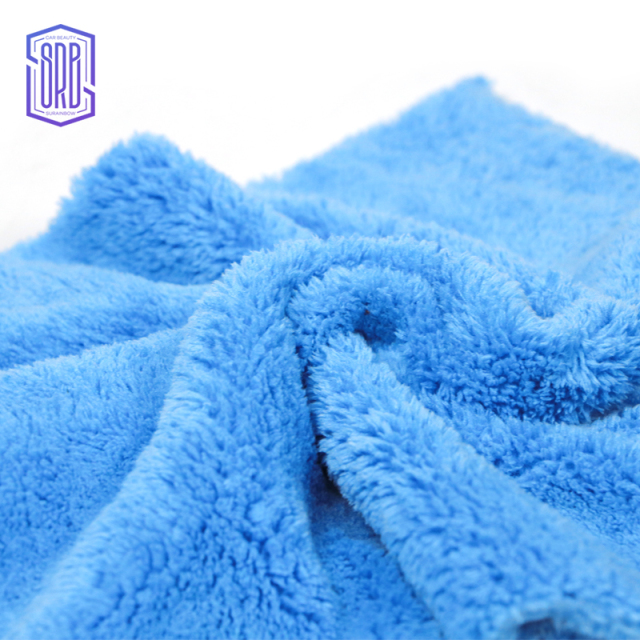
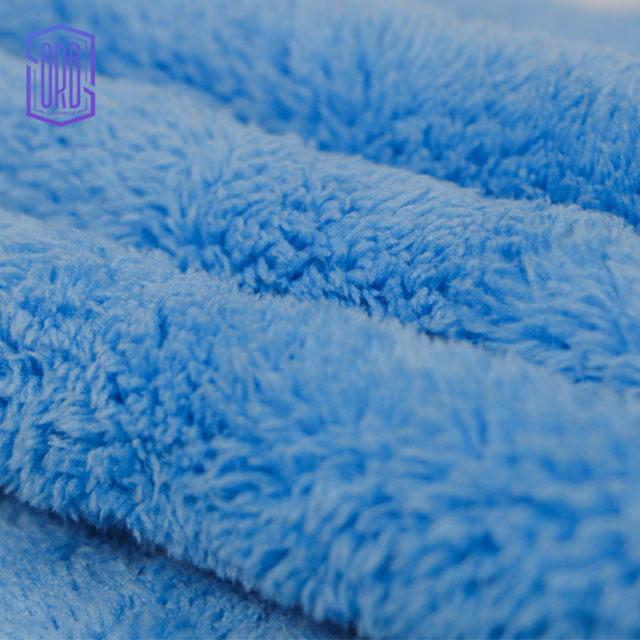
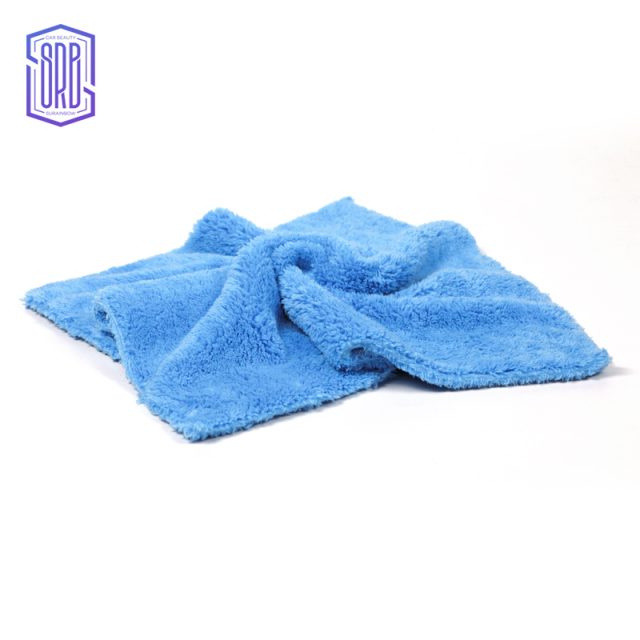
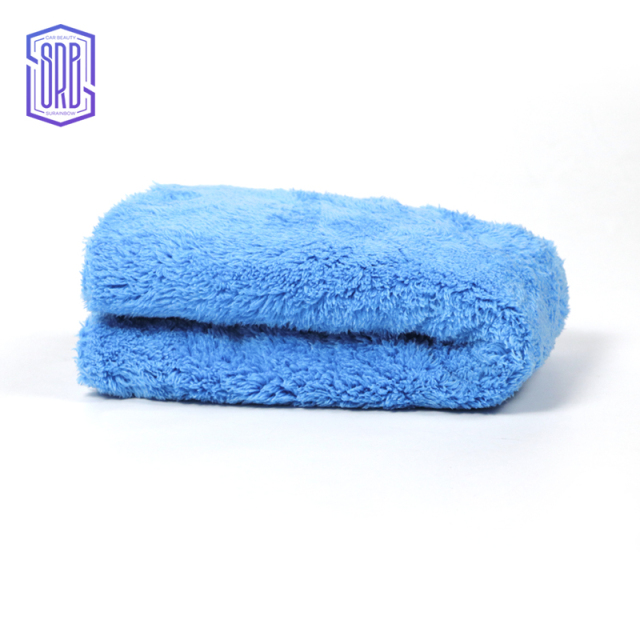
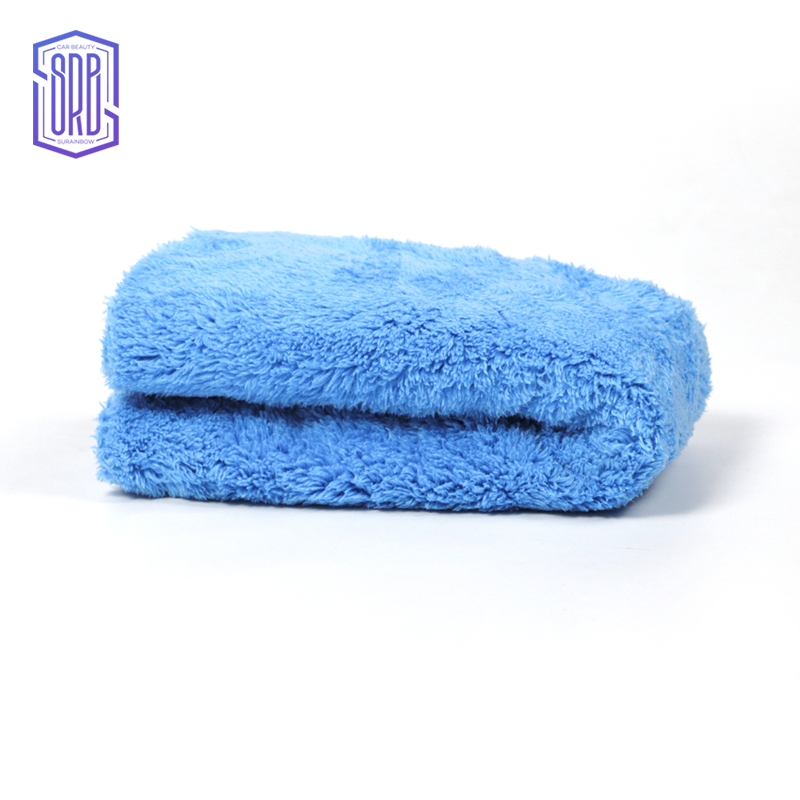
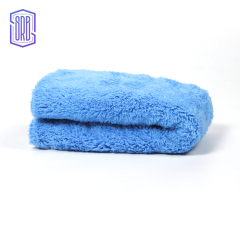
Product Overview
It is built for the drying step — after the car wash cleaner has been rinsed away and before the car goes back to the customer. Importers and distributors add it to a car care supplies range because a drying cloth is a repeat purchase rather than a one-off: it is used on every vehicle and it wears out. Detailing chains buy it to standardise what every bay uses, and private-label brands buy it to put their own label on the towel instead of a generic one. In the wash process it follows the shampoo and the rinse, and it is the last thing to touch the paint before handover. That position is what the construction is designed around, because the drying step is where a clean car most often picks up its marks. Day to day it is worked flat for the bulk of the water and folded for the finish, the glass, the jambs and the trim. Because it is one of the car care products a bay reaches for on every single vehicle, it is usually the item that runs low first, which makes the pack size and the reorder point worth settling at the start. It replaces the chamois, the waffle-weave drying towel and the old terry cloths that shed lint and hold grit in their hems, and it pairs with the glass cloths, interior cloths and coating cloths a bay already keeps.
Edgeless Construction
- Most car cleaning products manufacturers finish a drying towel with a sewn hem because it is quick and it stops the cloth fraying.
- That hem is a raised ridge, and a ridge is where grit collects and where the cloth presses hardest into the surface.
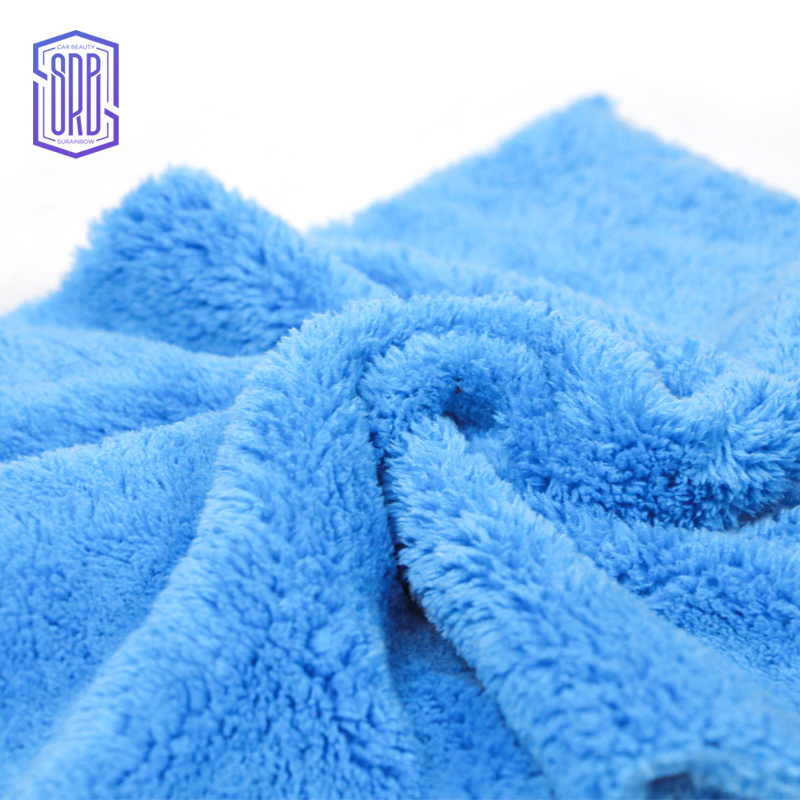
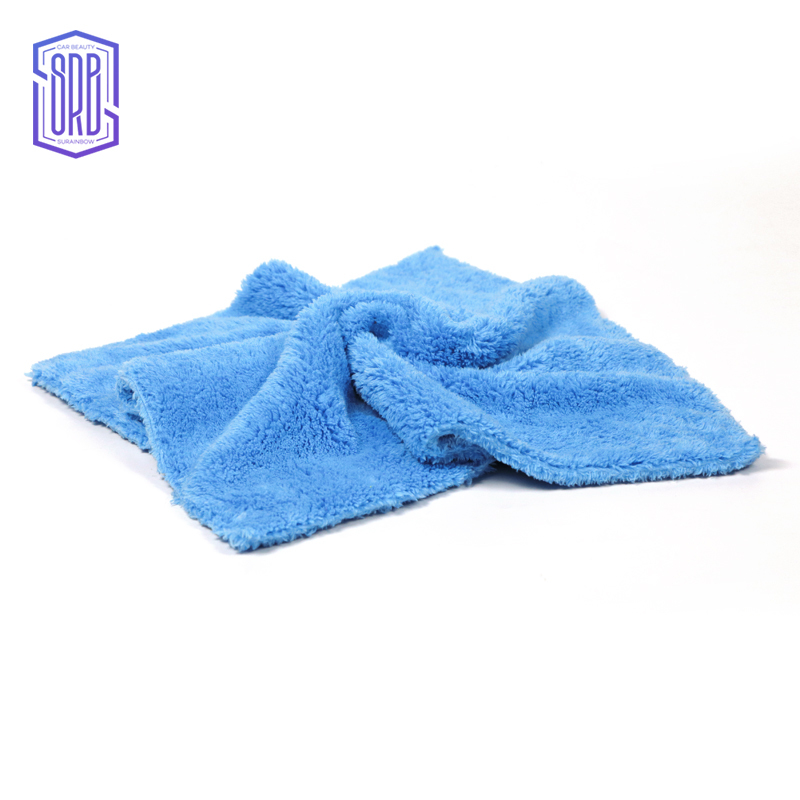
- With no border, the pile runs right to the edge of the cloth.
- A technician can use the outer edge on a panel instead of turning the towel to hunt for a safe part of it.
- Badges, door handles, mirror caps, wiper arms and the gap along a window rubber are exactly where a sewn edge catches and folds back on itself.
- An edgeless cloth slides past them with the pile still against the surface.
- On freshly polished paint, gloss black pillars and gloss trim, the fabric edge is the safer choice, and it is the cloth to hold back for the final wipe during ceramic car care rather than the one that goes around the lower panels.
- It keeps the pressure even.
- A hem stiffens the last two centimetres of a towel, so the hand tends to press harder there; without it, the cloth lies flat under the palm across its whole width.
- Edgeless is a construction choice, not a promise that nothing can mark paint.
- A cloth that has picked up grit from a sill will still drag it across a bonnet — removing the hem only removes one of the ways grit gets in.
Drying Sequence
- Rinse before you dry.
- Loosened dirt has to leave the panel before any cloth touches it — the car wash shampoo and the rinse do that work, so the cloth only ever lifts clean water rather than soil.
- Work from the top down.
- Roof, glass and bonnet first, then the doors and wings, then the lower panels and bumpers, so the cloth is not carrying the dirtiest water back up onto clean paint.
- Drag it flat to take the bulk.
- Lay the cloth open and pull it across the panel with light, even pressure, letting the pile lift the water instead of pushing it around the surface.
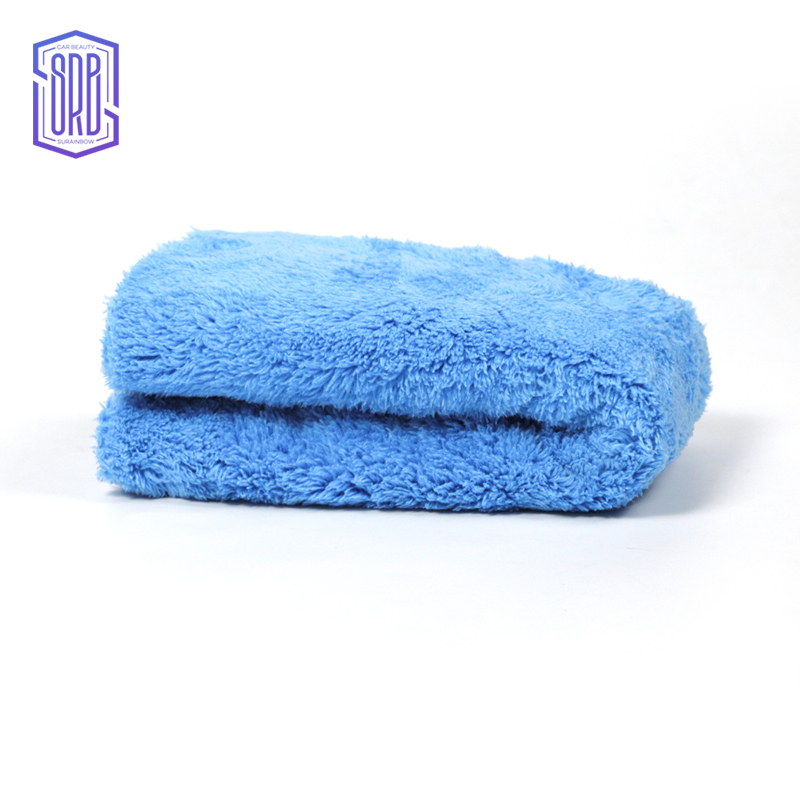
- Fold it into a pad for the finish. A folded cloth gives you a fresh face for each section and keeps the wet part away from the paint, and it puts a soft edge in your hand for mirrors and spoilers — the 40 × 40 cm size is what makes the fold sit comfortably in a palm.
- Do the jambs, shuts and sills last. Door jambs, boot shuts, fuel flaps and sills hold the last of the car wash cleaner and the dirtiest water, so they get the end of that cloth's life on the vehicle, not the bonnet.
- Finish with a walk-round in raking light.
- A low-angle light shows the runs the eye misses under the lamps, along the roof rails and behind the mirrors, while there is still time to take them off.
Colour Coding on the Trolley
A working trolley carries at least two kinds of cloth: the one that touches paint and the one that goes anywhere. This cloth is supplied in bright blue so it can be the paint cloth — a colour nobody grabs by accident on the way back from the wheel bucket.
Colour also keeps the jobs apart in the wash. Cloths that have wiped sills and shuts, where the car wash cleaner and the road grit end up, carry particles that survive a normal cycle; if they go into the same drum as the drying cloths, those particles transfer to the pile and then to the next car's paint.
For resale the colour does the merchandising. An edgeless paint cloth and a general-purpose cloth in two colours make an easy pair to present, and they slot into car care kits for the weekend detailer or sit separately on a professional trolley.
On a multi-bay site the colour carries the training. New staff can be told the blue cloths are the paint cloths, and a cloth that has ended up on the floor or in the wheel bucket is obvious before it is used again.
Keep the same discipline with chemicals. One colour for drying and final wipe, another for the car detailing cleaner, tar and bug removers and wheel acids, so a cloth that has held a strong cleaner never finds its way back onto paint.
Fabric Care
- Wash it after every vehicle.
- A drying cloth put away damp keeps whatever it collected, and a dropped cloth goes straight to the wash bucket, never back onto paint.
- Keep microfiber away from cotton and workshop rags.
- Cotton lint works into the pile and comes back out on the next panel, and the grit from general car care supplies is the last thing you want sitting next to the drying cloths.
- No fabric softener and no bleach.
- Softener coats the fibre and costs it the absorbency that makes the cloth work, so use a plain microfiber detergent rather than the car wash shampoo you sell or a household powder with optical brighteners.
- Rinse thoroughly.
- Detergent left in the pile leaves streaks on glass and dark paint, so give the cloths an extra rinse rather than a longer wash.
- Keep strong chemicals off the paint cloths.
- A cloth that has held a car detailing cleaner, a tar remover or a wheel acid belongs in the general-purpose pile, not back on a bonnet.
- Dry on low heat or hang it.
- High heat melts the fibre tips and leaves the cloth feeling crisp and less absorbent, so never iron it and never dry it on a radiator.
- Store it folded and dry, away from the bucket and the wheel brushes, so the paint cloths are not sitting next to the grit between jobs.
- Retire it in the right order.
- When the pile flattens or the cloth starts leaving lint, it moves to interior, wheel and engine-bay work; most shops keep the newest cloths for the most delicate jobs, including ceramic car care wipe-downs, and let the older ones finish on sills.
Specifications
| Type | Drying cloth (microfiber towel) |
| Model | SJ-50 |
| Size | 40 × 40 cm |
| Material | Microfiber fibre |
| Colour | Blue |
| Construction | Edgeless — no stitched border |
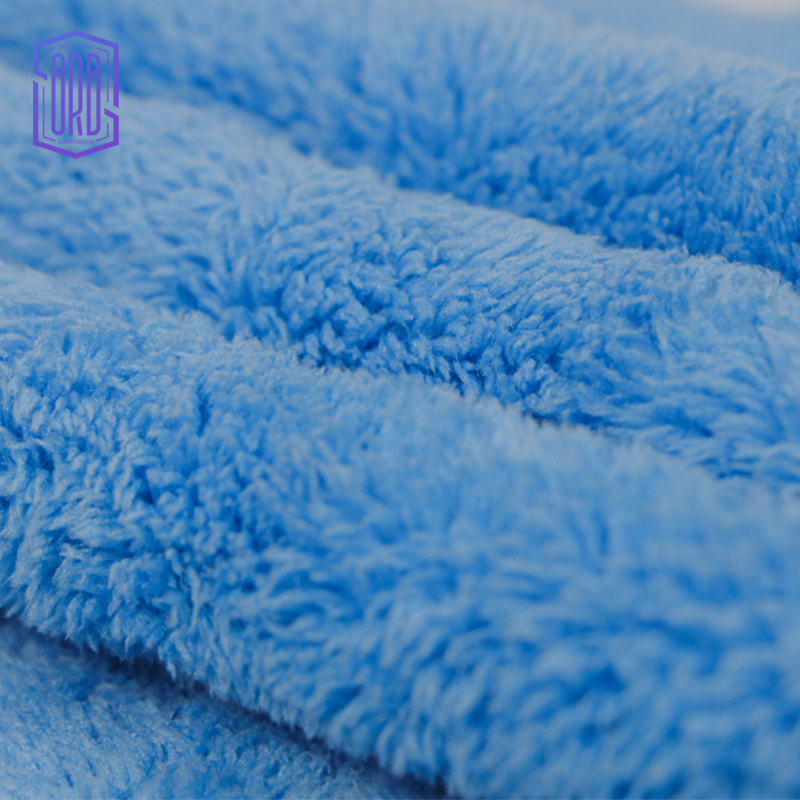
| Surface | Dense plush pile |
| Function | Wiping and drying, interior and exterior |
| Brand | SURAINBOW |
| Origin | Guangdong, China |
| Packing | 20 pieces per box |
| Minimum order | 500 pieces |
| OEM service | Accepted |
| Samples | Available |
Sampling & Approval
- Send the brief.
- Tell your sales contact the target market, the label language, the way the cloth will be presented and the quantity you are planning.
- If you are comparing car cleaning products manufacturers for a private-label range, a written brief is what makes their quotations comparable.
- Ask about samples.
- Confirm how many pieces you need to run a full vehicle and a wash cycle, settle any applicable sample or courier charge before dispatch, and say now if the cloths will be folded into car care kits, because that changes the packing you are sampling.
- Test it the way your bays will.
- Run it through the drying step on the surfaces you care about — dark paint, gloss trim, glass — then wash it and look again at the pile, the edges and how much lint it leaves.
- Seal the approved reference.
- Once the cloth, the fold, the colour and the packing are agreed, keep a sealed sample as the bulk reference; that sample is what a later batch of car care products is judged against.
- Approve the artwork before the cartons are printed.
- Label copy, barcode, warning text and carton marks are proofed and signed off first, because a language or barcode error caught at proof stage costs far less than one caught at the container.
- Release to bulk on one file.
- The approved sample, the signed artwork and the pack format go into the production file with the order quantity, so the run, the inspection and the packing all follow the same agreed version.
Ordering & Delivery
| Minimum order quantity | 500 pieces |
| Packing | 20 pieces per box |
| Carton size | 36 × 20 × 24 cm |
| Carton gross weight | 1.000 kg |
| Availability | In stock and fast shipping |
| Branding | OEM artwork accepted for the cloth label and the carton |
| Buyers | Importers, distributors, detailing chains and private-label brands sourcing car care supplies |
| Resale | Supplied on its own or folded into car care kits |
| Mixed orders | Wash chemicals and tools such as car wash shampoo can be quoted together, with availability and schedule confirmed per item |
| Payment | Method, currency and schedule confirmed with the quotation, with balance or payment status settled before shipment |
| Lead time | Confirmed per order, quantity and destination |
| Export documents | Commercial invoice, packing list and customs documents prepared for the destination |
| After-sales reference | Quote the order reference, batch number, affected quantity and photographs so the batch can be traced |
Scale & Supply Capability
SURAINBOW is run by Guangzhou Liangdian Automotive Supplies Co., Ltd., a factory-trade operation set up in Guangzhou in 2010 and now 50 people strong. We take OEM and ODM work and our R&D team develops to your specification. Buyers in the Middle East, the United States, Southeast Asia, Europe, the UK, Russia, Africa and Australia already order from us.
FAQ
Can the same cloth be used inside the car?
Yes. Glass, dash panels, door shuts and the trim around the console all take the same cloth, worked folded so you have a clean face for each area. Where a car detailing cleaner has been used on a panel, wipe the residue off with a general-purpose cloth first and finish with this one — the paint cloth should leave the vehicle holding water and dust, nothing else.
Will it leave lint or fine marks on dark paint?
Dense, soft pile with no hem to press into the surface removes the most common cause of fine marks. Lint on dark paint almost always comes from cotton fibres mixed into the wash or from a pile that has flattened with age, not from the fibre itself. It is also the step a car care products range gets judged on, because the drying cloth is the last thing the customer's paint touches before they see the car.
Can it be used with a spray detailer or a waterless wash?
It can, on one condition: the panel has to be free of grit before the cloth touches it. A spray detailer lifted with a plush microfiber is a normal final wipe, but a waterless wipe over a dusty panel pushes that dust around under the cloth. Use a fresh face, turn the cloth often, and keep waterless work away from the lower panels where road film sits.
How does it behave on a ceramic-coated car?
A coated surface sheds water faster, so the cloth is lifting less water per panel and needs wringing less often. Coating maintenance is also where a clean, edgeless cloth matters most, because a marred coating shows under a light. Keep the cloths used for coating wipe-downs separate from the ones that go near wheels, and let the newest cloths handle ceramic car care work.
Can we order it with our own label, and is blue the only colour?
OEM service is available on this cloth: your label, your carton marks, your barcode. Blue is the standard colour and the one that lets a bay run the two-cloth discipline, so confirm any other colour with your sales contact before it goes into artwork. Buyers comparing car cleaning products manufacturers on a private-label towel should judge a labelled sample rather than a plain one.
Does the blue bleed in the wash?
As with any dyed cloth, run the first wash separately so anything loose rinses away before it sits next to other microfiber. Keep bleach and very hot water out of the cycle, wash the paint cloths apart from the wheel cloths, and the blue stays where it belongs for the life of the towel.