Product Overview
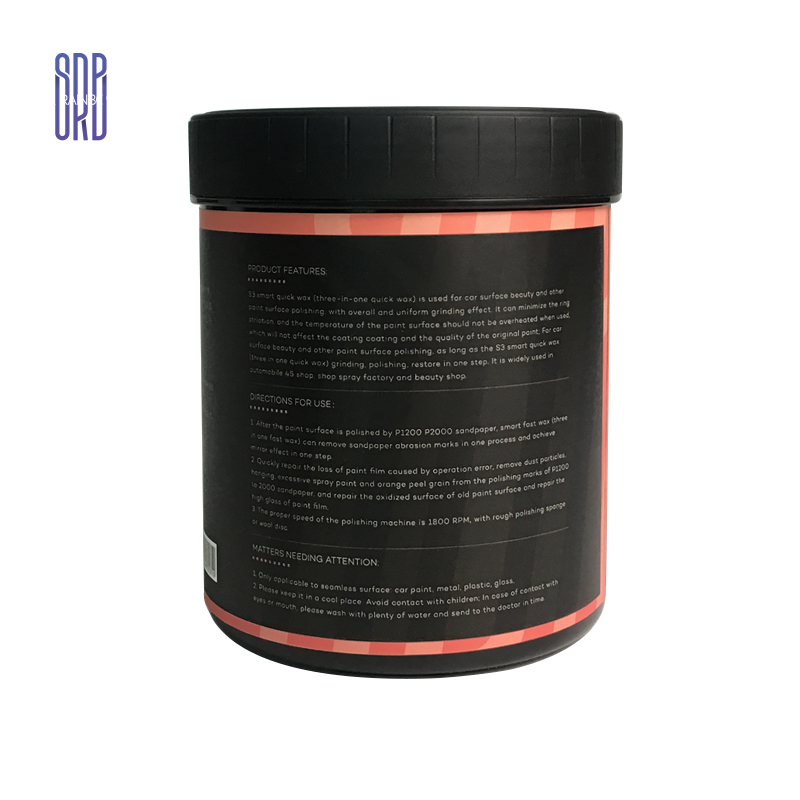
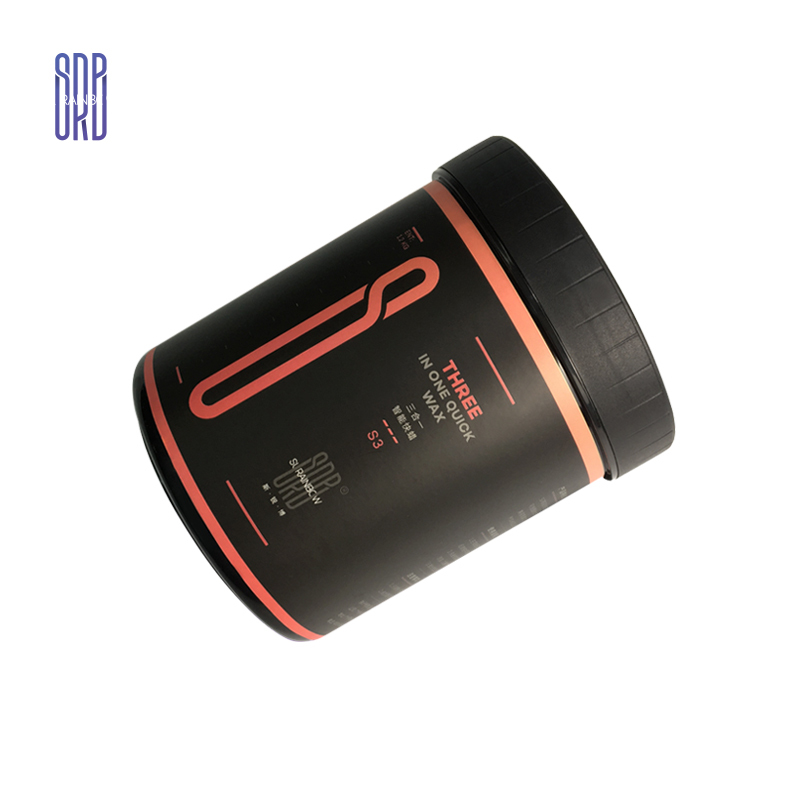
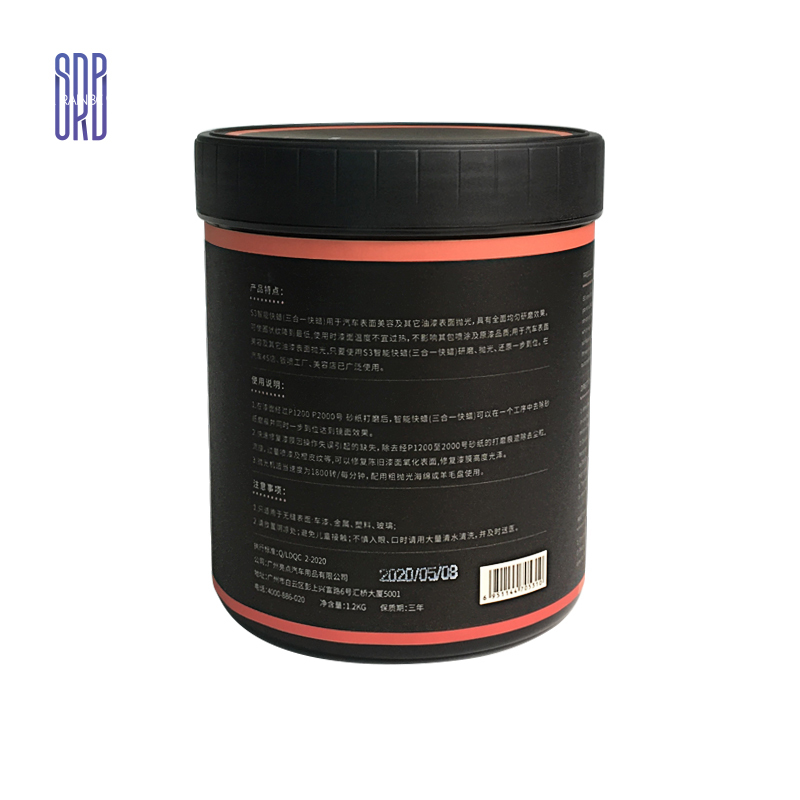
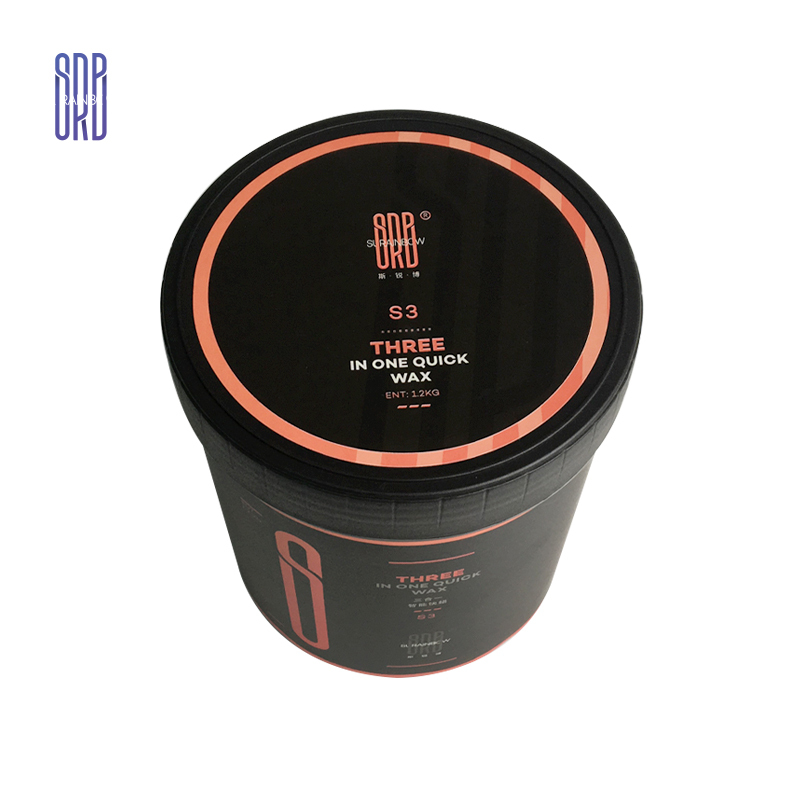
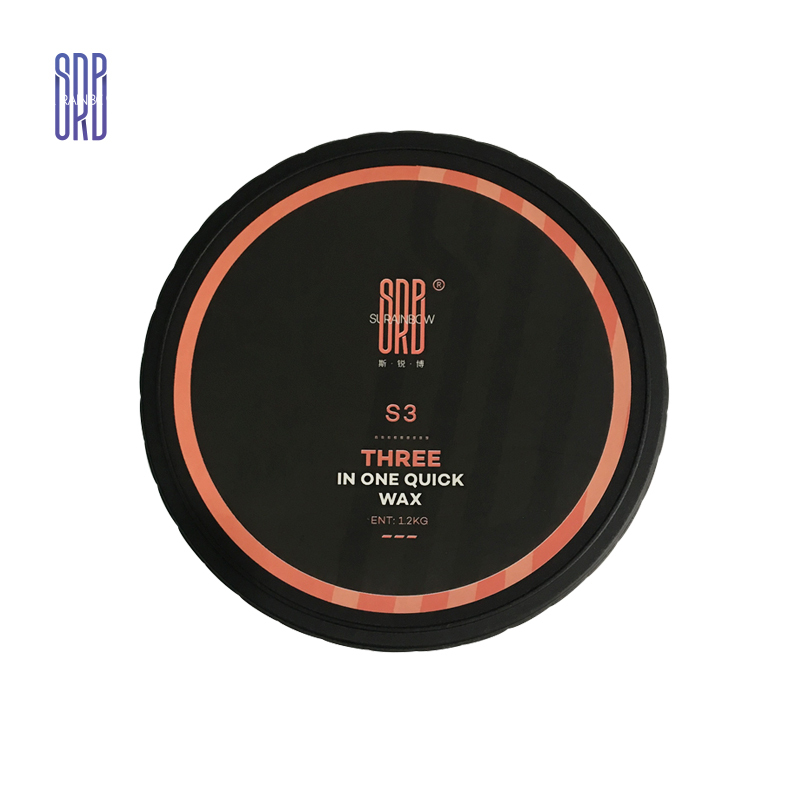
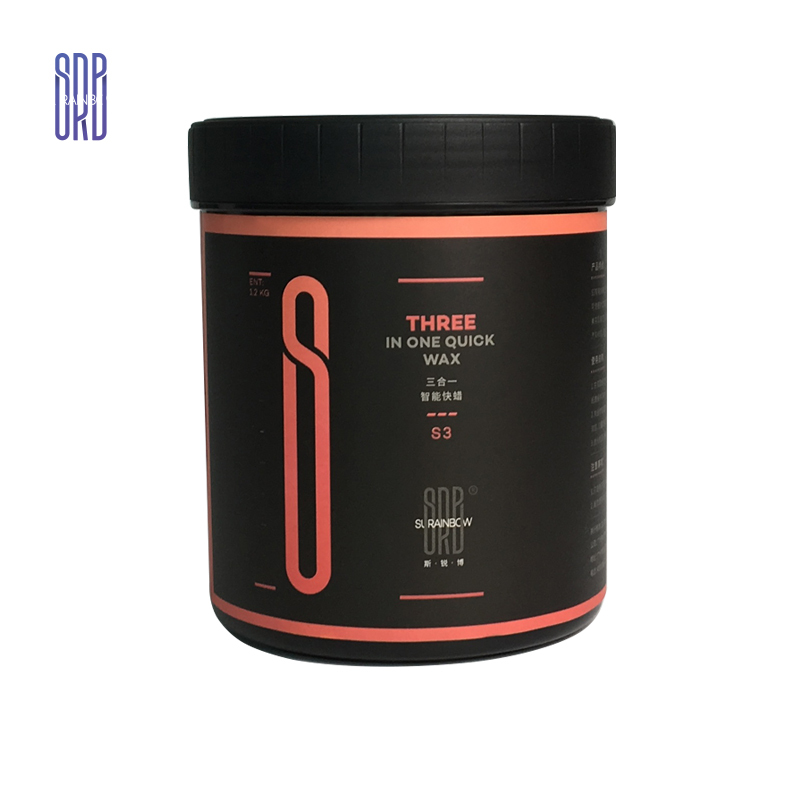
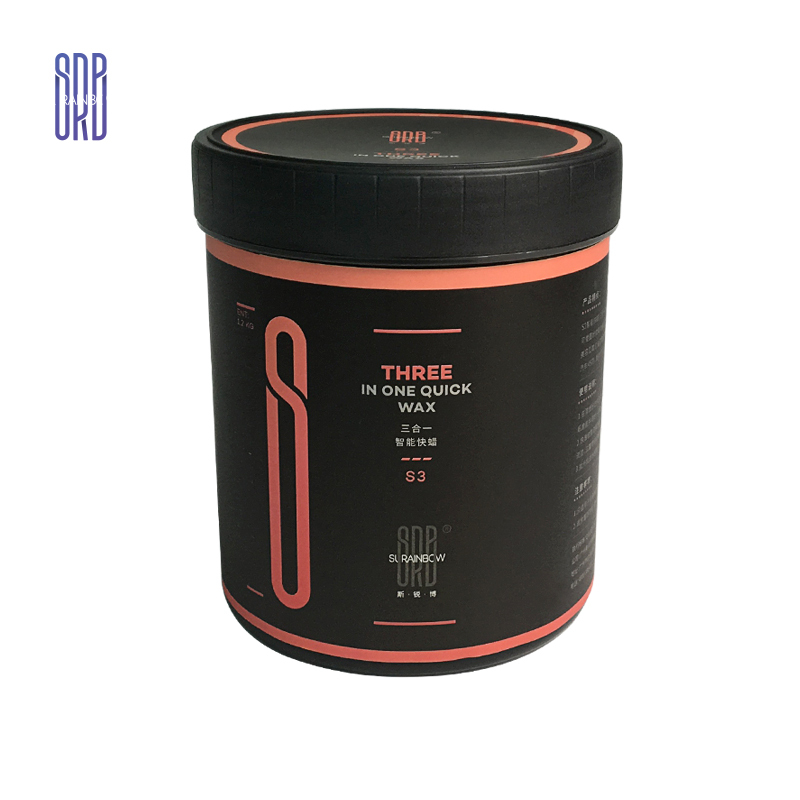
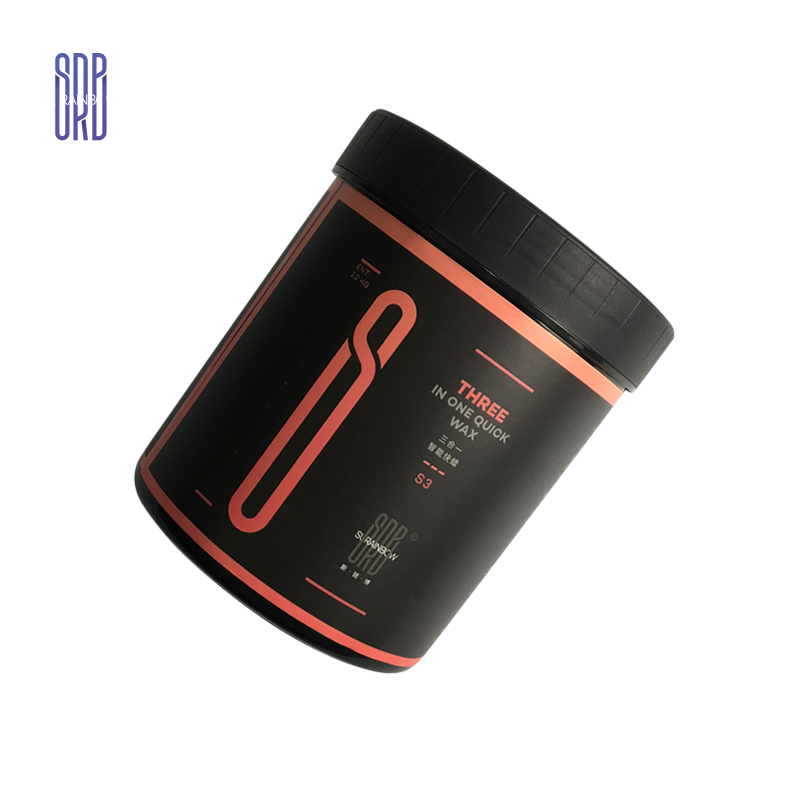
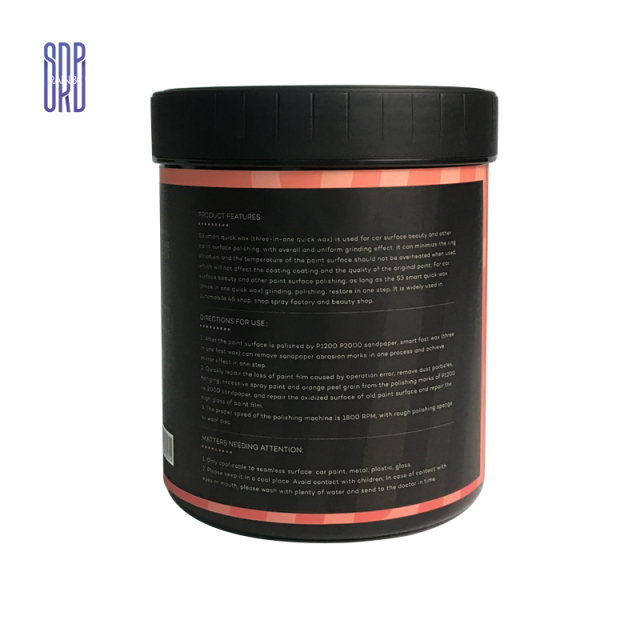
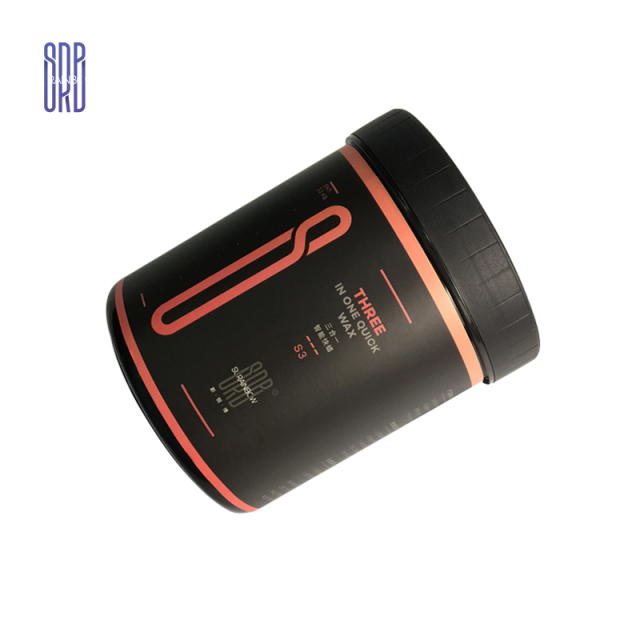
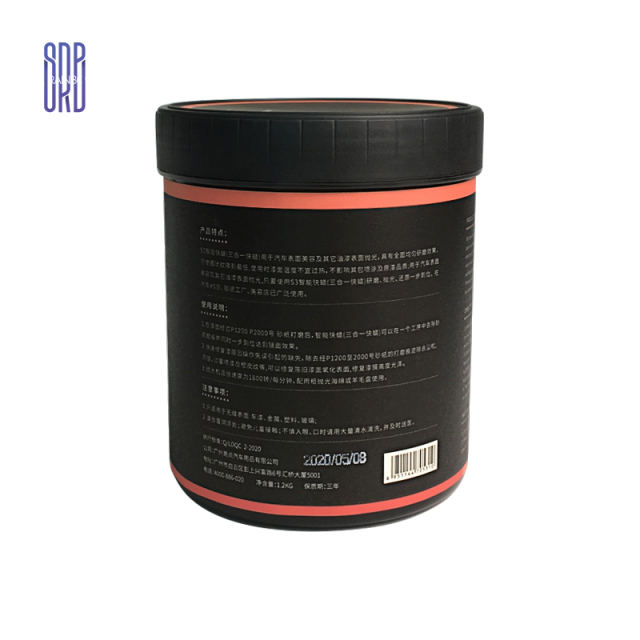
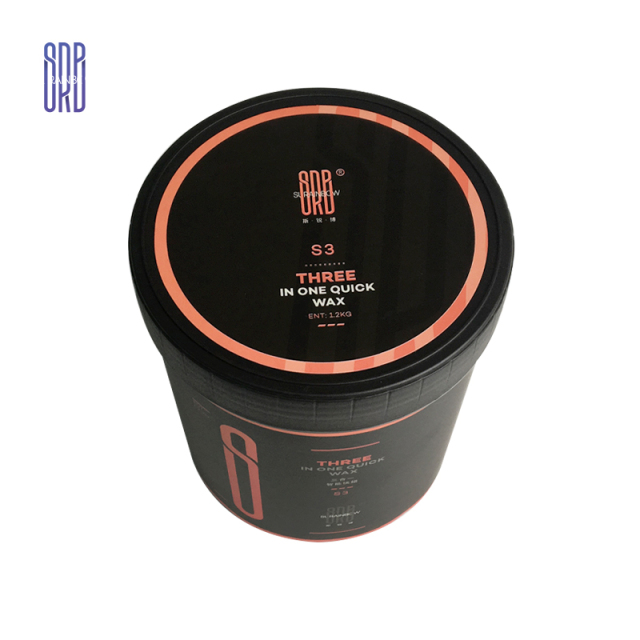
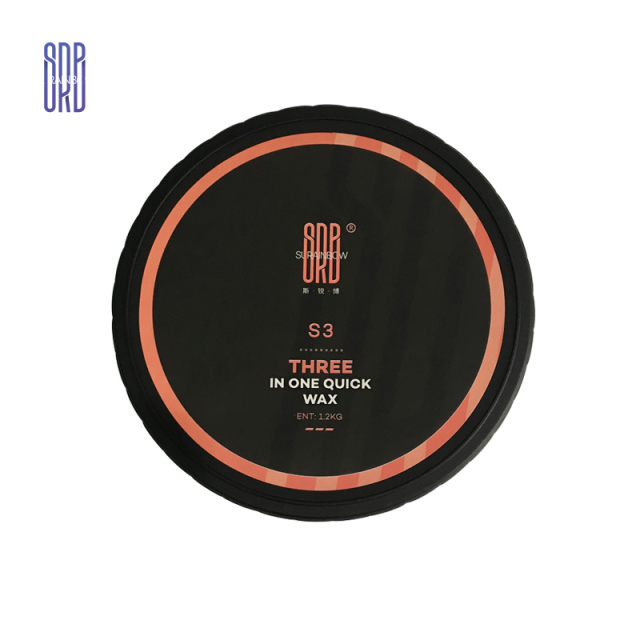
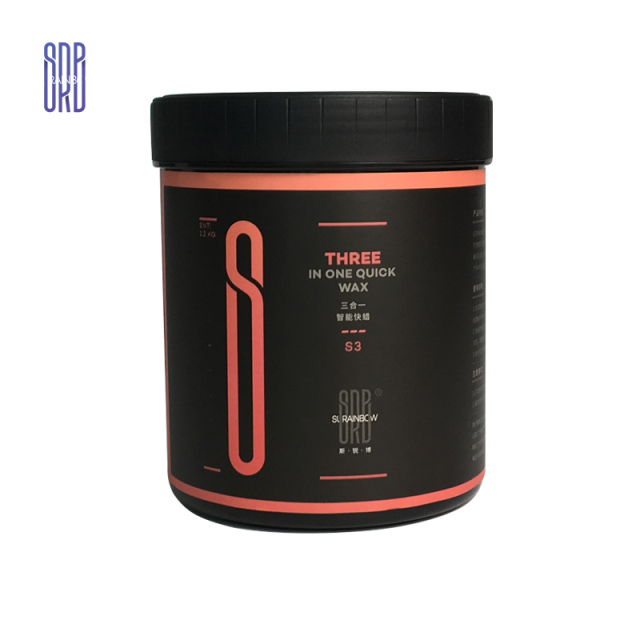
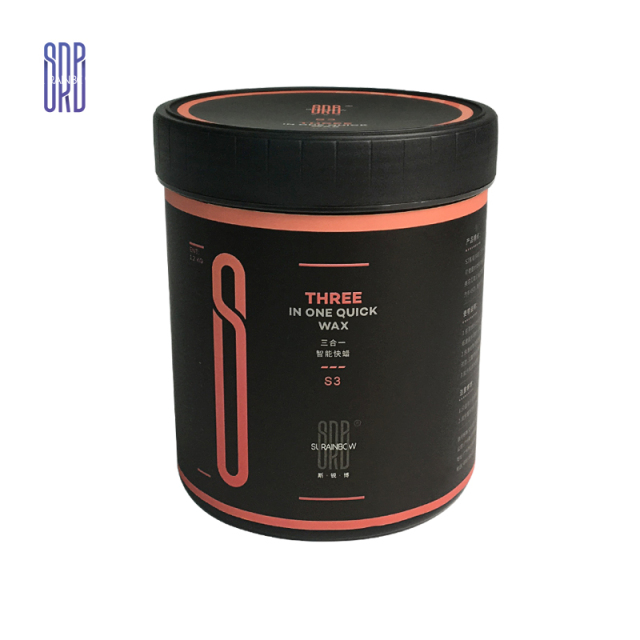
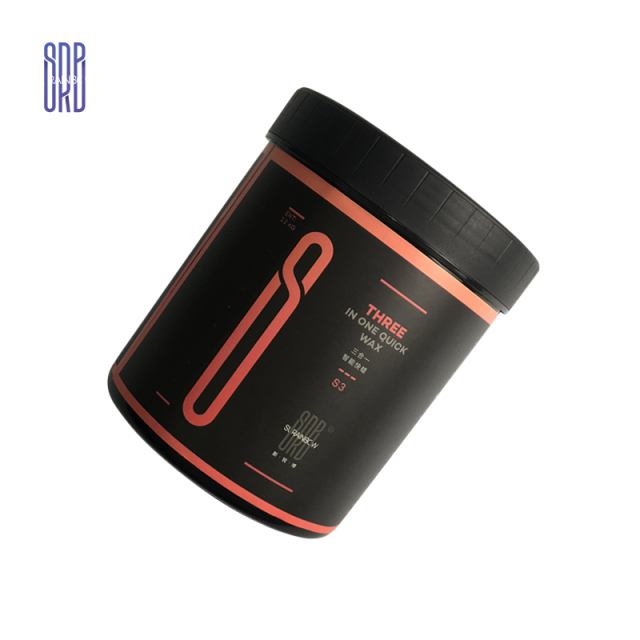
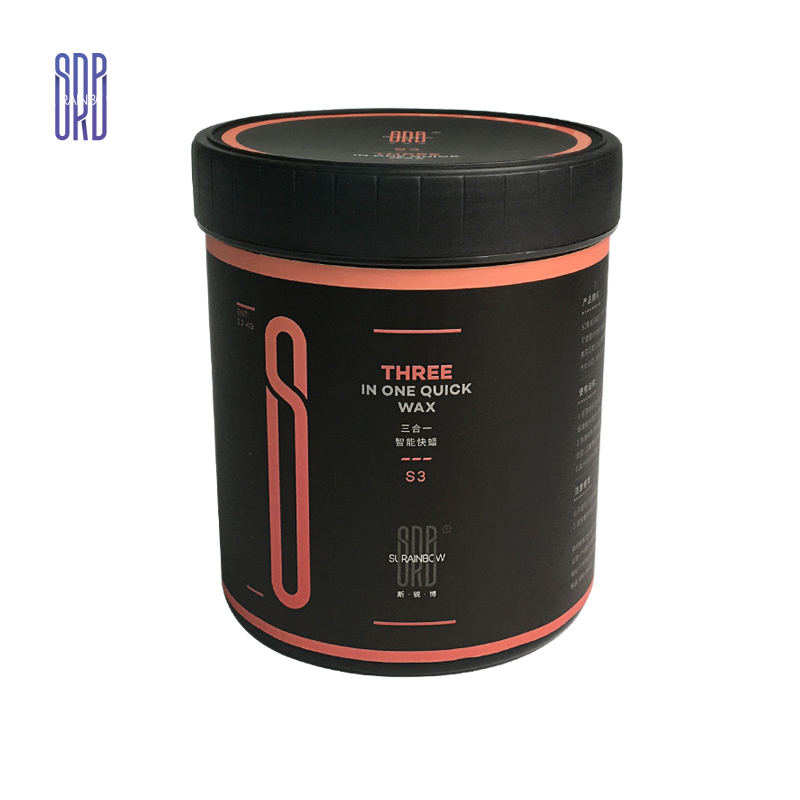
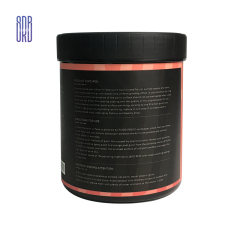
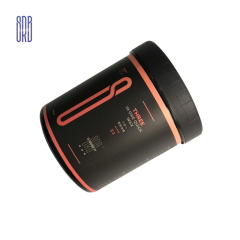
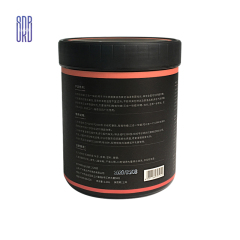
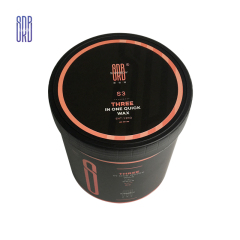
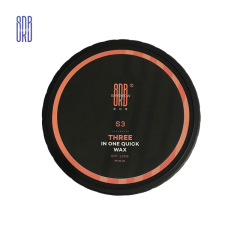
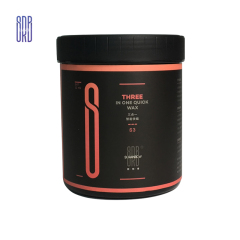
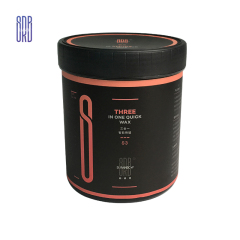
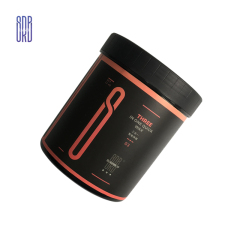
S3 Three in One Quick Wax is a workshop auto wax built around paint correction rather than protection alone. The paste grinds, polishes and restores in one pass, so a panel that has just come off the sanding block reaches a mirror finish without a separate compound and a separate finishing polish. It belongs where painted panels are finished: dealership and 4S shop preparation bays, paint and refinish shops, and detailing studios that correct paint before a car is handed over. It is light enough to carry around a vehicle panel by panel and holds enough paste for a shop correcting several cars a day, which is why it is bought as a working car care wax rather than an add-on item. The directions are written for machine work rather than hand application. The tub itself is a black screw-top container with a printed side label and a matching lid label. The wide mouth lets a pad or a spatula reach the paste without digging into the corners of the container.
Key Features
- Sanding marks out in one pass. P1200 to P2000 abrasion marks, dust particles and orange peel grain come out in a single process that finishes at a mirror gloss, not a compound-then-polish sequence.
- Panel temperature held down. The paste is designed to reduce the risk of the paint surface overheating, the point where machine correction starts to damage a finish instead of refining it.
- Works over existing protection. The directions describe a result that does not affect the existing coating or the quality of the original paint, so the product suits cars that already carry protection as well as bare refinish work.
- A car wax polish for real defects. Oxidized old paint, heavy overspray points and film loss from an operator slip all come out with the same tub, which is why shops keep it at the polisher rather than in a store room.
- Nothing to line up. One tub, one machine, one pad and a towel cover the whole correction, so nobody has to switch products between cutting and finishing.
- A result the customer can see. Colour and gloss come back in the same session as the defects come out, which is the finish an auto wax is judged by at handover.
- Stock-friendly shelf life. Three years gives a distributor or a detailing chain room to hold cartons and reorder on a normal cycle rather than a short-dated one.
Surfaces, Safety & Storage
- Smooth, uninterrupted paint, metal, plastic and glass. Those are the surfaces the directions cover — smooth, uninterrupted painted panels, metal parts, plastic and glass. Textured trim, unpainted rubber and matte or wrapped finishes sit outside that list.
- Mask before the machine goes on. Cover textured plastic, rubber seals and matte surfaces before the auto wax touches the panel; residue wiped off a smooth surface is easy, residue worked into a textured one is not.
- Mind the edges and shut lines. Keep the pad flat as it crosses a panel edge, and wipe paste out of shut lines, badge recesses and mirror gaps before it dries.
- Handle it as a workshop chemical. Keep the tub away from children, avoid contact with the eyes and mouth, and if contact happens rinse with plenty of water and seek medical attention promptly.
- Store it cool. A cool place, the lid screwed down and no direct sun keeps the paste in working condition between jobs.
- Close the tub between sections. A lid left off in a warm bay lets the surface of the paste skin over; closing it keeps the wax for cars workable through a long shift.
Workshop Applications
Dealership and 4S preparation bays use it on cars that arrive with transport dust nibs, assembly marks or light handling scuffs. Corrections are made panel by panel before handover, so the car reaches the customer with the gloss the showroom expects.
Paint and refinish shops run it straight after sanding a repair. The technician keeps one tub on the cart and takes the panel from P1200 or P2000 marks to gloss in the same session, so the car wax step and the correction step become one operation.
When a technician catches an edge too hard or leaves a dry spot, the same car wax polish recovers the film loss without re-shooting the panel, which is the difference between a ten-minute fix and a rework order.
Detailing studios and beauty shops reach for it on older, oxidized paint where the owner wants colour and gloss back. The finish comes up in one working pass, ready to be photographed, handed over or protected.
Mobile and spot-repair operators work the same way on a smaller scale: one tub and one machine handle a single panel on site, without carrying a three-step line-up out to the vehicle.
Application Steps
- Wash and dry the panel first. The wax for cars is worked on paint that is free of dust, road film and polishing residue, so contamination is not dragged across the surface.
- Look at the defect under a bright inspection light and decide what you are removing: sanding marks from P1200 to P2000, oxidation, dust nibs or overspray points.
- Fit a rough polishing sponge or wool disc, set the machine to 1800 rpm, and pick up a small amount of paste from the tub.
- Spread the paste over the section at low speed, then work it with the machine, keeping the pad flat and moving across the panel so the cut stays even.
- Wipe the residue off with a clean microfibre and check the section from two angles. If a mark remains, repeat on that spot rather than working the whole panel again.
- Move to the next section, and finish the car polish and wax stage with your usual protection coat once the whole panel reads clean.
Specifications
| Model | S-310 |
|---|
| Product name | S3 Three in One Quick Wax |
| Also known as | S3 smart quick wax |
| Brand | SURAINBOW |
| Product type | Three-in-one quick wax |
| Form | Paste in a screw-top tub |
| Colour | Black |
| Net weight | 1.36 kg per tub |
| Place of origin | Guangdong, China |
| Main application | Car polishing and waxing |
| Function | Grinding, polishing and gloss restoration in one process |
Sampling & After-Sales
- Send the brief first: the surfaces you correct, the market you sell into, the quantity you plan and whether the tub carries SURAINBOW branding or your own. A car wax manufacturer can tell from that whether the standard product fits or a custom run is worth quoting.
- Test a sample on your own panels and record the pad, the speed, the cycle time and the gloss you accept. Ask your sales contact about sample availability and any courier cost before dispatch, so both sides know exactly what is being evaluated.
- Seal the approved reference. A panel finished with the car polish and wax, photographed under the same light, becomes the standard the bulk batch is compared against.
- Approve the packaging before print — label artwork, carton marks, language and barcode data. The proof you sign off is the version that goes into the run.
- Bulk production is checked against that approved sample and packaging: fill, closure and lid fit, label position and carton condition, so the car care wax in the last carton matches the first.
- Documents travel with the shipment — MSDS alongside the commercial invoice and packing list — and consignee details and carton marks are confirmed before the goods leave.
- Keep the batch number. If a tub behaves differently or a carton arrives damaged, quote the batch number with photos and the affected quantity: transport and packing issues are reviewed within 7 days of receipt, product-quality concerns within 30 days.
Ordering & Delivery
| Minimum order | 200 pcs |
| Trade packing | 12 pcs per carton (sold in multiples of 12) |
| Carton size | 37.5 × 25 × 30 cm |
| Carton gross weight | 16.84 kg |
| Availability | In stock and fast shipping |
| Order type | Car wax wholesale and private-label supply |
| Price | Quoted against quantity, packing and destination |
| Payment | Schedule agreed with your sales contact before production |
Scale & Supply Capability
SURAINBOW is run by Guangzhou Liangdian Automotive Supplies Co., Ltd., a factory-trade operation set up in Guangzhou in 2010 and now 50 people strong. Sixteen years in car care have given us a one-stop supply position: our own SURAINBOW lines are held in stock for fast shipping, and an associate factory with modern production equipment and an established quality management system keeps replenishment moving. We take OEM and ODM work and our R&D team develops to your specification. Buyers in the Middle East, the United States, Southeast Asia, Europe, the UK, Russia, Africa and Australia already order from us.
FAQ
Does S3 replace both the compounding and the finishing step?
For the defects it is written for, yes. P1200 to P2000 sanding marks, dust particles and orange peel grain are taken to a mirror gloss in one process, so the usual compound-then-polish pair collapses into a single pass. Where a panel carries damage deeper than the directions cover, cut the area with a dedicated compound first and finish it with this car wax polish.
Can it be applied by hand instead of by machine?
Hand application is not covered by the directions, which are built around a machine, a rough polishing sponge or wool disc and a fixed working speed. For a small hand touch-up, test on a spare panel and judge the result before you commit a customer's car to it. Your sales contact can tell you how other shops in your market handle those small areas.
How soon after a panel is repainted can it be corrected?
The directions do not set a cure window, and fresh paint has to be hard enough before any machine touches it. Follow the paint manufacturer's guidance for the refinish system you use before you start the car polish and wax step, then test on a small area first. If you correct freshly sprayed panels regularly, talk the workflow through with your sales contact.
How much car wax should a shop plan for each vehicle?
Coverage depends on panel size, pad choice and how heavily the paste is picked up, so we do not publish a fixed number of vehicles per tub. Run one car through your normal process, measure what you use, and set reorder levels from that. For a large correction contract, ask your sales contact for guidance — a wax for cars measured against your own technique is easier to budget than one estimated from a brochure.
Can the tub carry our own brand?
Yes. It can go out under the SURAINBOW label or under yours. For car wax wholesale and private-label programmes, label artwork, carton marks, language and barcode data are approved as a proof before production, so confirm the pack you need with your sales contact when you request the quotation.
How is this different from a ceramic or graphene product in your range?
They do different jobs. A ceramic or graphene product is protection applied after the paint has been corrected; this car care wax is the correction step itself, where sanding marks and oxidation come out. We supply both, and as a car wax manufacturer we usually suggest building a range where the correction product and the protection product sit side by side.