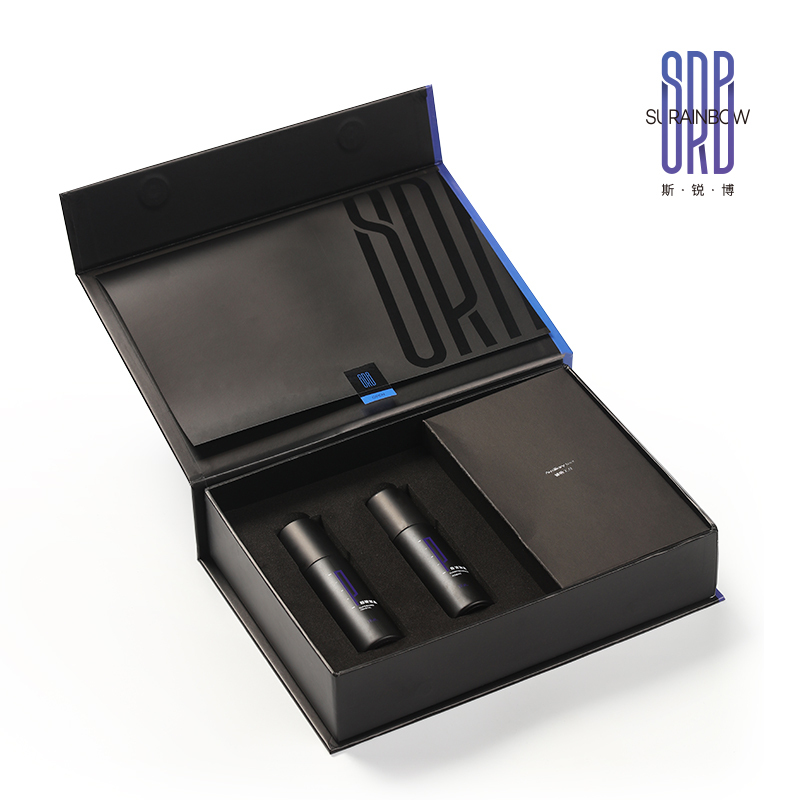
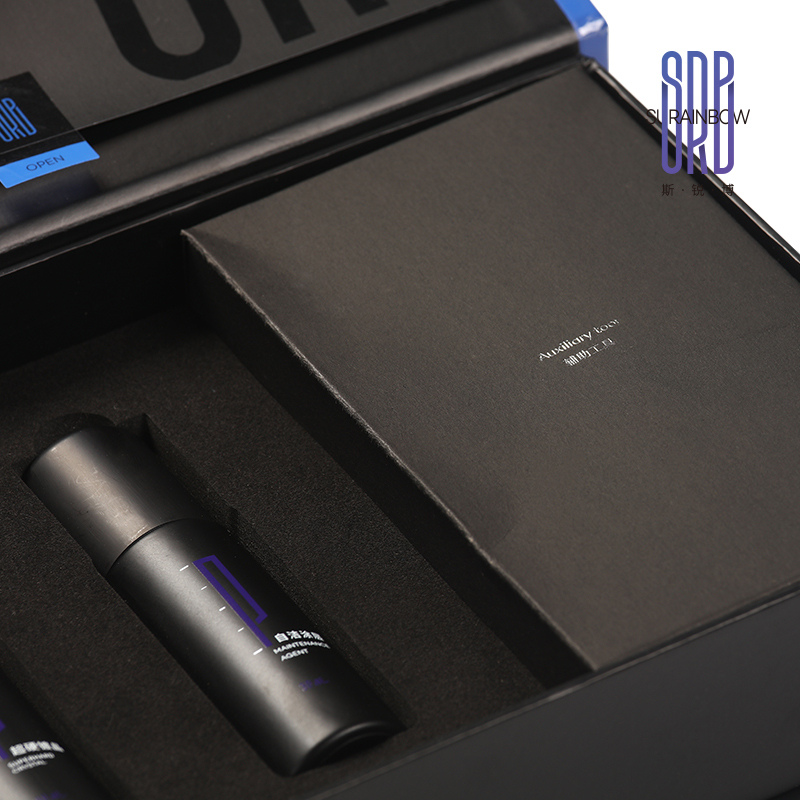
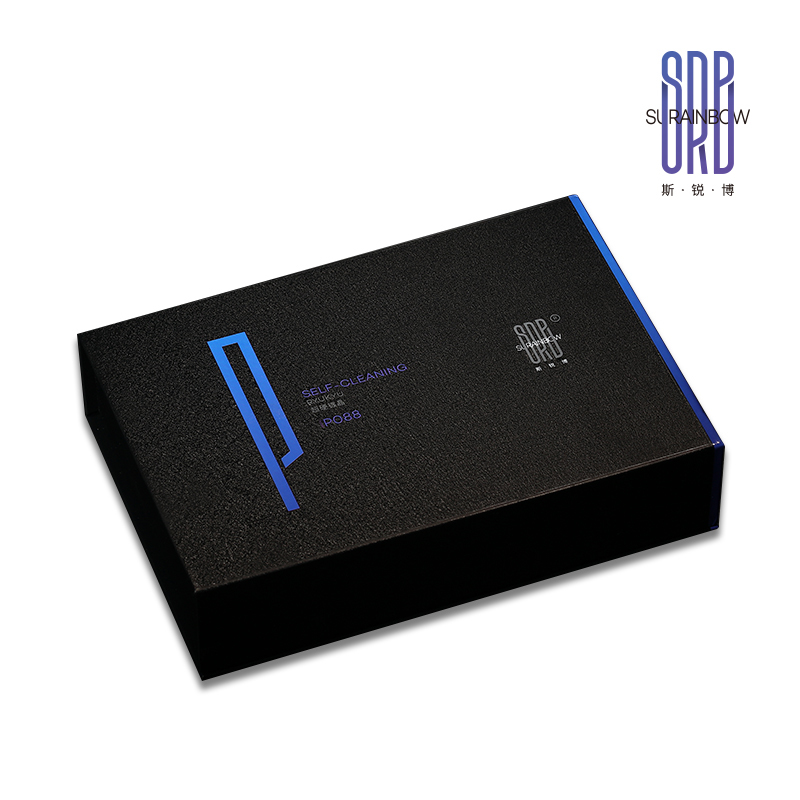
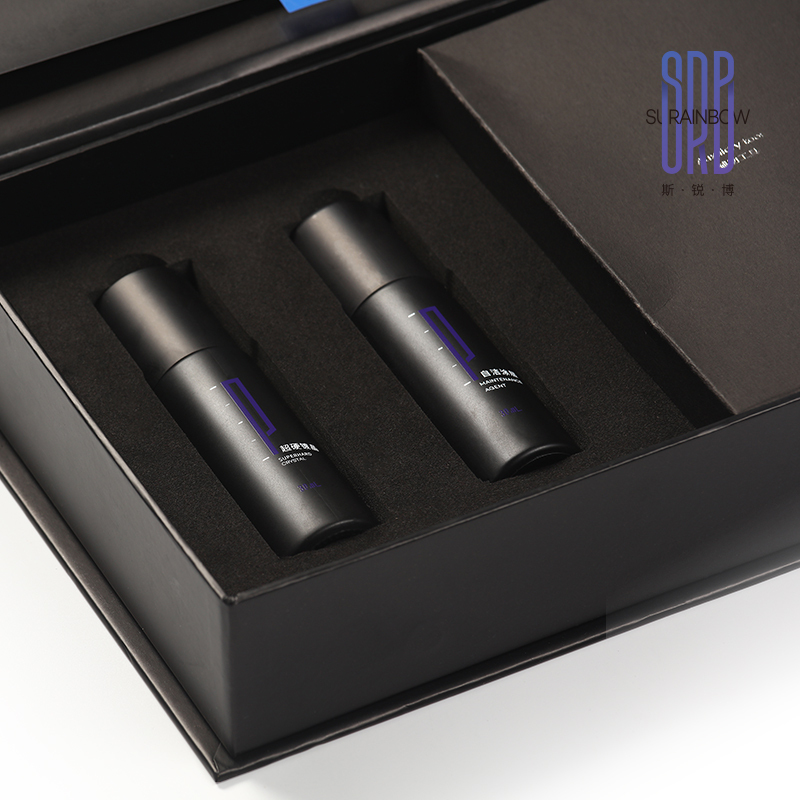
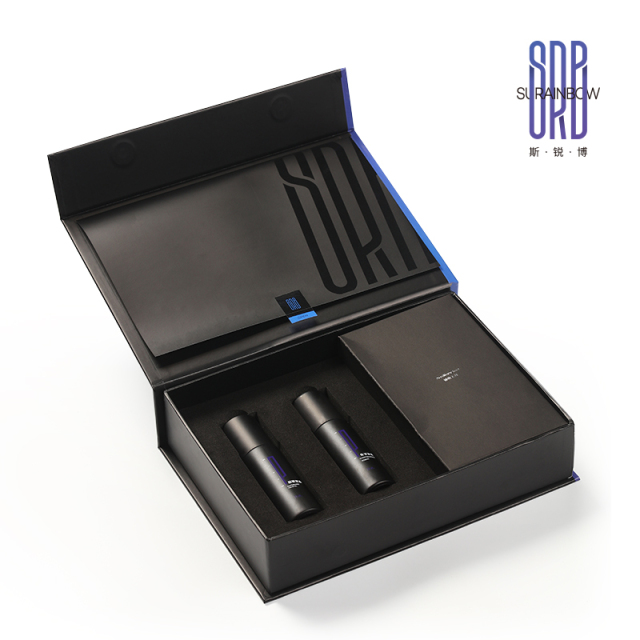
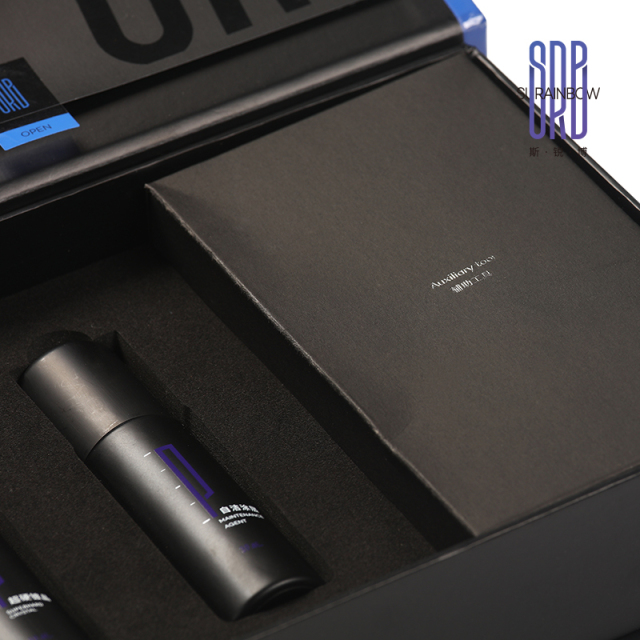
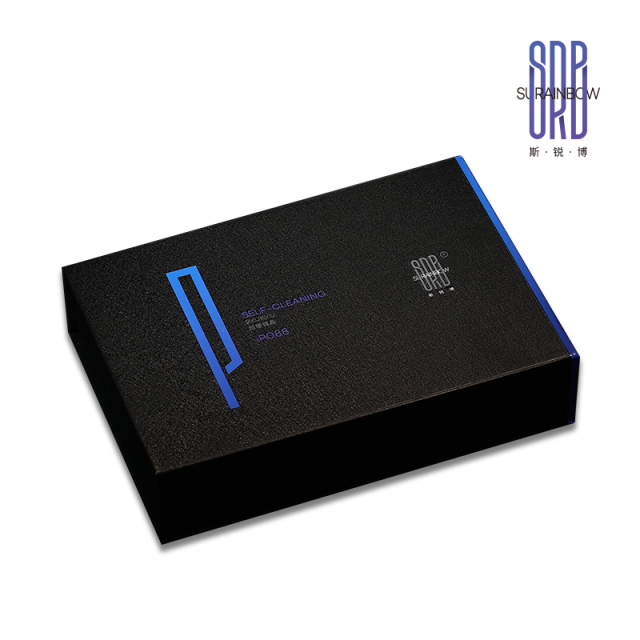
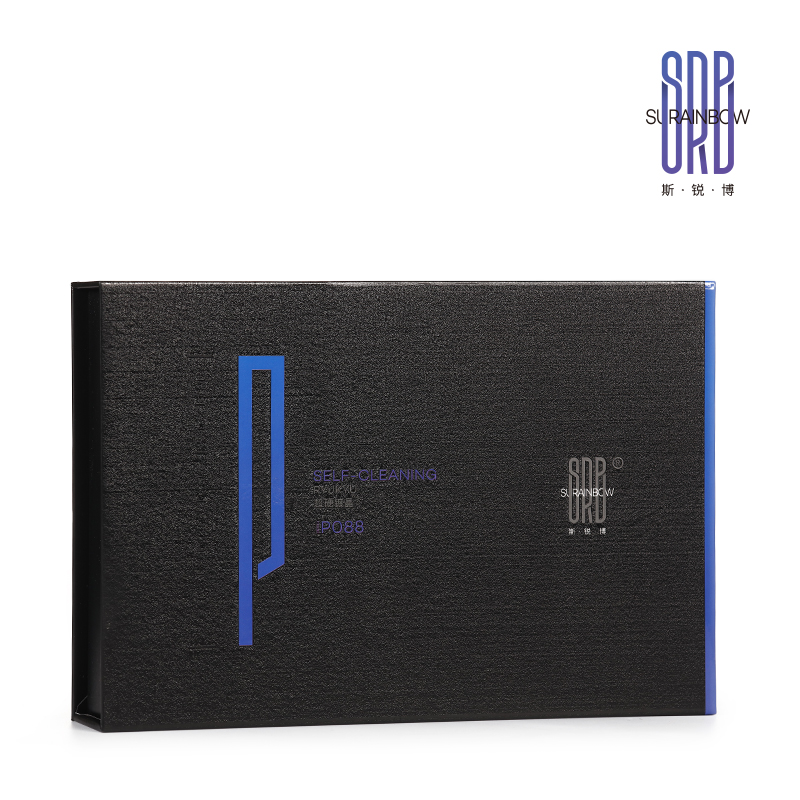
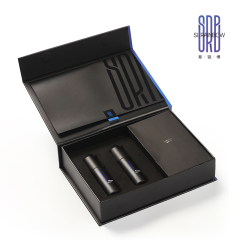
Product Overview
Superhard coating crystal for paint is the last step of a full job: once paint correction and ceramic coating are planned together, this is the coat that goes on after the polish and the panel wipe. It is a clear liquid crystal that sets on top of the clear coat as a hard, slick film, judged on how the finished panel behaves — water pulling into beads, an easier wash, a deeper reflection.
The product is built for people who coat cars for a living. Detailing bays, dealership preparation units and used-car refurbishment teams reach for it when a ceramic coating for cars has to look right as the vehicle leaves the hall. Distributors and private-label brands take it as a lacquer-care line rather than a generic gloss enhancer.
Plan it as the closing stage of a sequence, not a standalone treatment. Washing and decontamination come first, then a car paint polish to level swirls, then a panel wipe before anything is applied. Applicator blocks and clean cloths are not part of the unit, so add consumables to the same order and the bay is ready when stock lands.
The family holds more than one crystal and they are not interchangeable. This one is stated for lacquer care on painted bodywork; others in the same line are stated for body beauty or for glass. Reading the label against the surface is the difference between a job that finishes cleanly and one that has to be polished off again.
On a service menu it takes the place of the final wax or sealant stage. What changes is what the customer is buying: a wax sits on the paint and wears away, while a crystal film bonds to the prepared surface. That also means the preparation has to be right, because a clear film hides nothing underneath it.
Key Features
- A hard film on the clear coat. The finished layer is what a ceramic coating for cars is judged on: the panel feels firm and slick under a cloth, and light wash marring has a harder time reaching the paint underneath. That is the difference a customer can feel at handover.
- Water that beads and rolls. Instead of sitting flat, water pulls into tight beads and runs off the panel. That is the nano ceramic coating at work, and it is the part a driver notices on the first wet morning.
- Gloss without a tint. The film is clear, so the paint keeps its own colour and simply reflects more of its surroundings. On dark blue, grey and black it reads as depth under inspection light; on white and silver it reads as sharpness.
- A working time you can plan around. Applied thin and levelled with a soft cloth, the residue lifts cleanly before it sets. Work one panel at a time, keep the layer even, and the flash window stays predictable even in a warm bay.
- Precision where it matters. Hand application keeps the product on the panel instead of drifting onto glass, rubber, badges or plastic trim. Tape the edges you do not want coated and the clean-up disappears.
- A stage you can build a package around. Wash, decontamination, polish, then a professional ceramic coating as the closing paid stage — the result is visible, so the upgrade sells at handover rather than in a brochure.
Paint Preparation & Application
- Wash and decontaminate. Strip road film, tar and iron fallout, then clay the panels. A crystal bonds to paint, not to contamination, and anything left on the surface will sit under the film.
- Remove old protection. Wax, sealant and any older coating have to come off first; a car ceramic coating applied over a wax layer will not sit evenly, and the result will look patchy under light.
- Correct the paint. Compound, then refine with a car paint polish until the swirls are gone under inspection light. This step decides the final gloss — the crystal only seals what the polish leaves behind.
- Wipe the panel down. Use a panel wipe or an IPA mix to remove polish oils, then let the surface dry completely. Oil left behind shows up as a dull patch once the coating sets.
- Apply thin, panel by panel. A few drops on an applicator, worked in overlapping passes, is enough. Thin and even beats thick and patchy every time, and it wipes off far more easily.
- Level and buff the residue. Watch the flash, then lift the residue with a clean folded microfiber and turn the cloth often. A second dry cloth for the final pass keeps the finish streak-free.
- Keep the car dry while it sets. Hold the vehicle indoors and away from water until the film has fully settled, and confirm the cure window for your workshop temperature and humidity with our team before you book the handover.
- Inspect and record. Check every panel under light, note the batch number on the carton and log what was applied. On a paint correction and ceramic coating job, that record is what answers a question three months later.
Care After Coating
The first wash. Once the nano ceramic coating has fully settled, wash with a pH-neutral shampoo and keep strong alkaline or acidic cleaners off the coated panels. The first wash is also the moment to check the film is even across the car.
Wash method. Two buckets, a soft mitt, top down, then dry with a plush microfiber rather than letting the car air dry. Grit dragged across a coated panel still marks it — the coating reduces effort, not discipline.
What to keep off the paint. Abrasive polishes, aggressive compounds and brush tunnels that drag dirt across the surface will work into the car ceramic coating layer. If a spot does need correction, do it by hand and keep the area small.
Top-ups between applications. A spray sealant or maintenance product used every few washes keeps water behaviour sharp and adds a sacrificial layer over the crystal. Check compatibility on the bottle before anything goes onto a coated panel.
What to hand over to the driver. A short wash note — neutral shampoo, no brush tunnels, no harsh wheel cleaner on the body — does more for the finish than a long care manual. It is also the note that makes a coating package look considered rather than improvised.
Specifications
| Property | Detail |
|---|
| Product name | Superhard coating crystal for paint |
| Model | P088 |
| Type | Car polish, lacquer care |
| Use | Body beauty, car crystal plating |
| Application surface | Car body paintwork |
| Format | Liquid crystal coating |
| Net weight | 0.6 kg per unit |
| Shelf life | 3 years |
| Brand | SURAINBOW |
| Place of origin | Guangdong, China |
Sampling & Packaging Approval
- Send the brief. Tell us the surface, the target market, the sales channel and the pack size you plan to sell. Whether the first step is a sample panel or a wholesale ceramic coating order, that brief is what the sample is built against.
- Have a sample prepared and dispatched. We prepare it against the brief; ask your sales contact about sample availability, what each set contains and the dispatch time for your destination.
- Test on a panel, not in the bottle. Apply to a panel of the same paint type and record the conditions — temperature, humidity, number of passes — and the result you are judging, whether that is gloss, water behaviour or ease of wipe-off.
- Approve and seal a reference. The approved sample and the written result become the comparison point for bulk. Label it, store it properly and keep it where the person doing the inspection can reach it.
- Proof the packaging. Artwork, label copy, barcode data and carton marks are checked before production. The pack also has to suit the unit inside it and the labelling rules of the market it ships to.
- Sign off the production version. Confirm the final label and carton version, then release bulk.
- Keep the approval with the order. Send the approved reference, the carton version and the pack count with your purchase order, so the first bulk shipment is checked against the same documents both sides signed.
Ordering & Delivery
| Item | Detail |
|---|
| Minimum order | 60 pcs |
| Units per carton | 12 pcs |
| Carton size per batch | 51 × 36 × 19 cm |
| Gross weight per batch | 7.640 kg |
| Availability | In stock and fast shipping, including wholesale ceramic coating orders |
| OEM | Accepted — as a ceramic coating manufacturer we produce to your label, artwork and carton version |
| Balance and export documents | Confirmed with the commercial offer before dispatch; MSDS/SDS, CoA, GHS label information, invoice and packing list can be prepared for your market |
| Shipping methods | Courier, LCL and full container by sea, air, rail or truck, quoted against destination, volume and terms |
Batch Records & After-Sales
- A batch number on every carton.
- Note it when the stock arrives. As a ceramic coating manufacturer we keep production and inspection records for each run, and the batch number is what ties a carton back to them.
- Packaging problems, reported quickly. Leakage, shortage or carton damage should reach us within 7 days of receipt, with photos and the batch number, so the shipment can be checked against the packing list.
- Quality questions within 30 days. Send the batch number, the affected quantity, photos or video and a short note on how the product was stored and applied. That set is usually enough to see what happened.
- Judged against the approved reference. A professional ceramic coating order is checked against the sealed sample and the written specification agreed before production, not against memory. If bulk and reference differ, we want the comparison in writing.
- Colour or separation queries. Batch variation and separation are real review points for liquid car care products. Storage conditions are checked first, then the batch record, then the retained sample if one was kept.
- Repeat orders stay consistent. The approved version, the carton artwork and the batch notes stay on file, which is what keeps a wholesale ceramic coating reorder close to the shipment the buyer signed off.
Scale & Supply Capability
SURAINBOW is run by Guangzhou Liangdian Automotive Supplies Co., Ltd., a factory-trade operation set up in Guangzhou in 2010 and now 50 people strong. Sixteen years in car care have given us a one-stop supply position: our own SURAINBOW lines are held in stock for fast shipping, and an associate factory with modern production equipment and an established quality management system keeps replenishment moving. We take OEM and ODM work and our R&D team develops to your specification. Buyers in the Middle East, the United States, Southeast Asia, Europe, the UK, Russia, Africa and Australia already order from us.
FAQ
How is this different from the body-beauty crystal in the same family?
They are two products with two stated jobs. This one is filed as lacquer care for painted bodywork, the body-beauty crystal is stated for body beauty, and there is a third crystal in the range stated for glass. On a service menu that runs paint correction and ceramic coating as one package, the lacquer-care product is the one that goes on last, after the paint has been levelled. Keep a test panel of each and compare them side by side before deciding which one becomes your standard.
Which surfaces can it be used on?
Painted body panels: bonnets, roofs, doors, wings and bumpers, on cars and on other painted panels of the same type. It is not the product for glass, wheels, rubber or interior trim, which are separate items in the range. Plan the surfaces of a mixed vehicle in advance so each product goes where it belongs, because a ceramic coating for cars is only judged on the surface it was designed for.
Does the paint need polishing before it goes on?
If the paint carries swirls, water spots or fine scratching, yes. The film is clear and seals whatever is underneath, so defects stay visible beneath it. Work the panel with a car paint polish until the finish is uniform under a low-angle light, wipe the oils off, and only then apply. On paint that is already clean and defect-free, a decontamination wash and panel wipe are the minimum.
What happens if the coating goes on too thick?
A thick patch of car ceramic coating takes longer to flash, wipes unevenly and can leave a streak or a hazy area that has to be polished back. Keep the layer thin and even, work one panel at a time, and change to a clean cloth for the final buff. If a panel does set badly, cut it back with a compound, re-prep the surface and apply again.
Can it be applied outdoors or in a warm bay?
A warm bay is workable; a windy outdoor space is not ideal. Dust, pollen and overspray from the next bay land in the film while it is still open, and once it sets they are trapped. Settled air indoors, with the car kept under cover afterwards, is the safer default for a professional ceramic coating job. If you have to work outside, choose a still morning and keep the car sheltered until the film has fully settled.
What do I do if a panel goes wrong?
Let it set, then polish it back. The nano ceramic coating can be cut back with a compound, and the panel is then re-prepped and coated again. Do not try to wipe a half-set film with solvent, which is how streaks get pushed across a panel. Note the batch number before you start so the panel can be checked against the rest of the car.
How far does one unit go?
Coverage depends on panel size, how thin you work the product and how many layers you build on a panel, so there is no single figure that fits every car. Tell your sales contact what vehicle types you handle and how you apply, and they will confirm the expected consumption for your process.