Product Overview
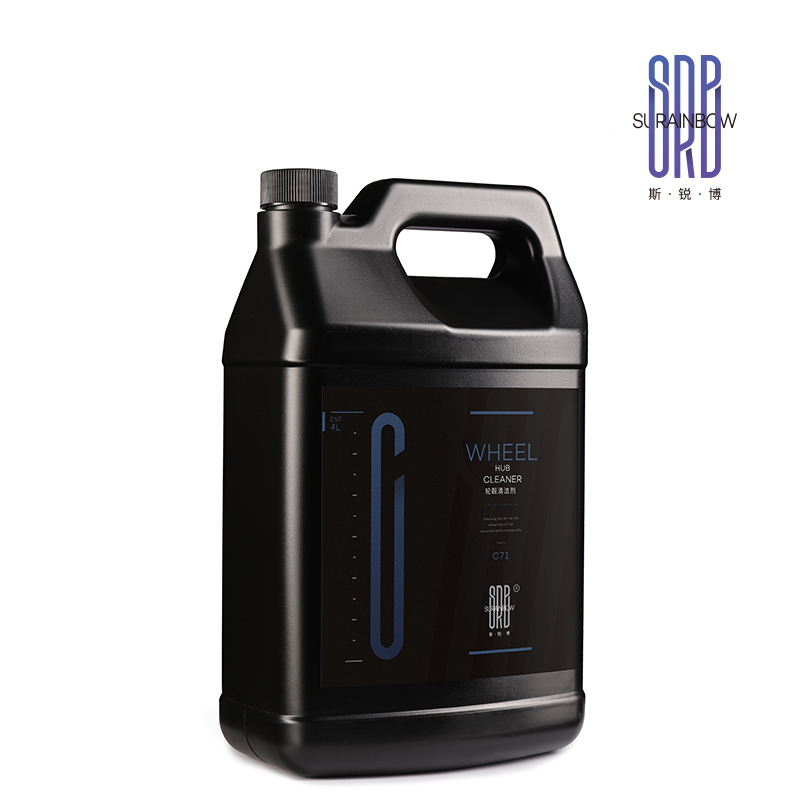
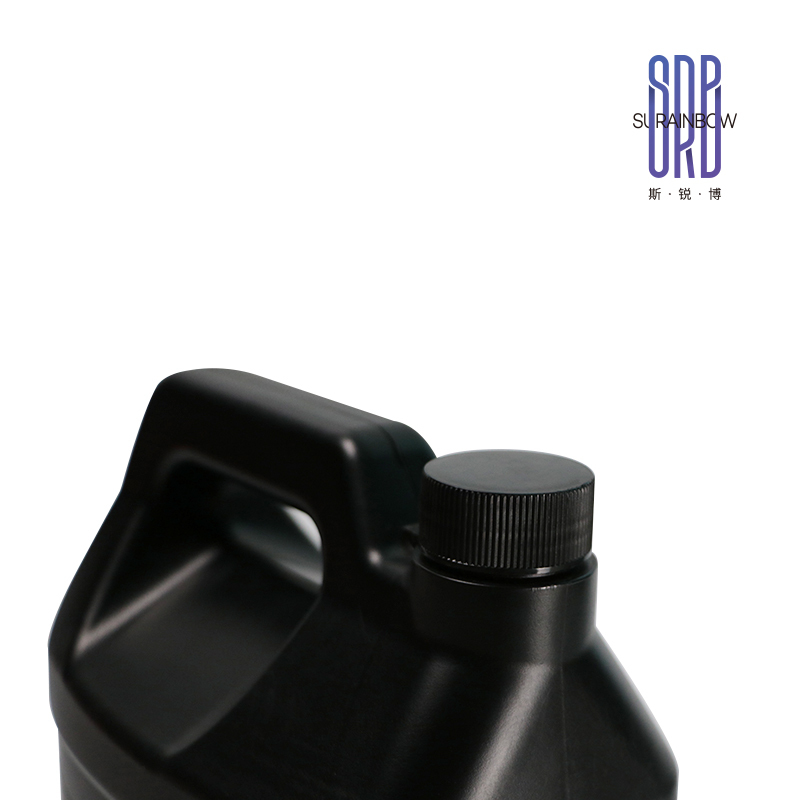
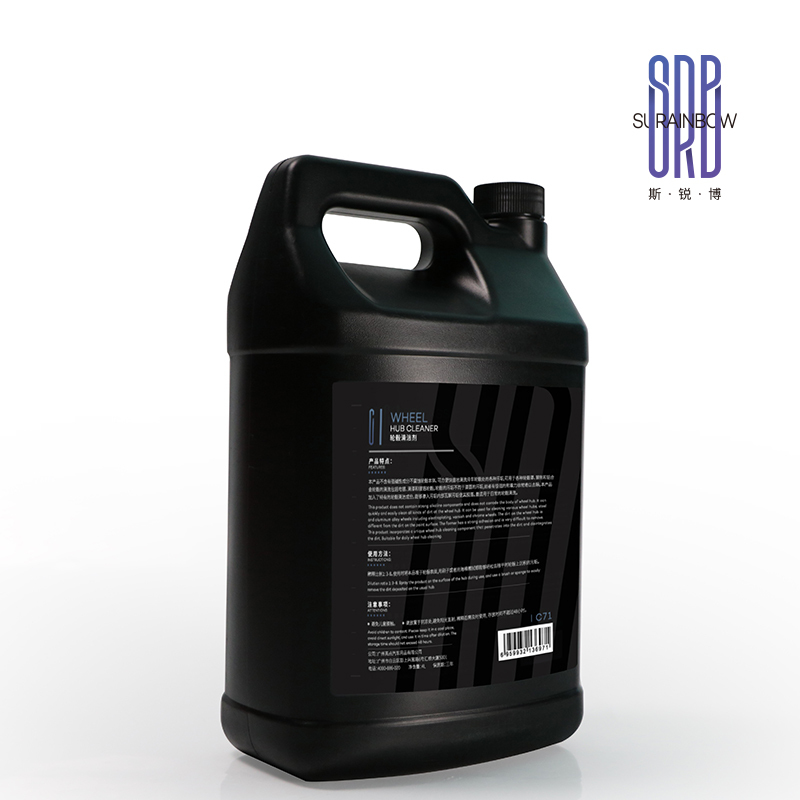
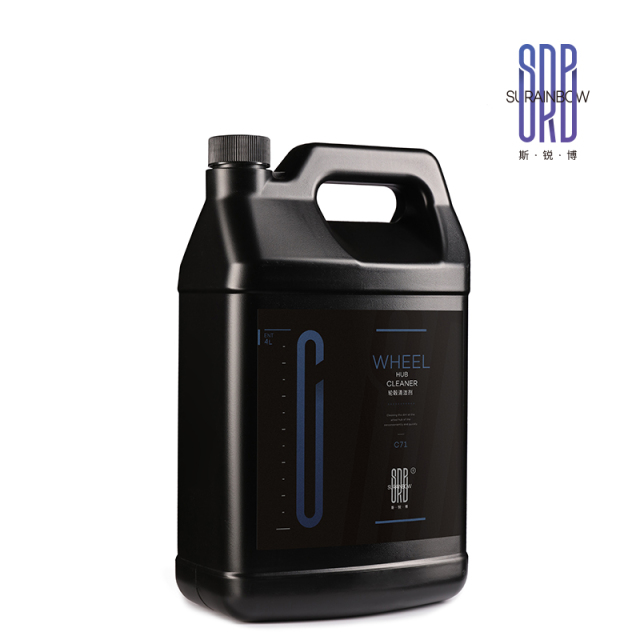
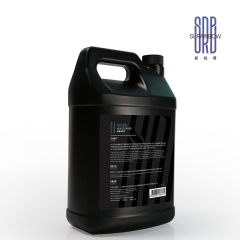
Surainbow tire wheel & hub cleaner is a concentrated car detailing cleaner supplied as a 4 L jug. It is mixed with water before use, so one jug is decanted into spray bottles across a run of cars rather than emptied onto one set of wheels, and the working strength is set by whoever is holding the spray gun. Brake dust, road film, dried mud and the grey build-up inside an inner barrel all come off with the same routine: spray the diluted mix, agitate with a brush, rinse with fresh water. It is the step between the pre-wash and the contact wash, and it decides whether the rest of the wash stays clean. On lacquered, painted and clear-coated rims that matters more than raw strength, because a cleaner that is too aggressive takes the finish off with the dirt and the dulling only shows up months later. Selling them as a pair also makes the wheel step easier to explain to a new customer. We produce this as a tire shine supplier as much as a wheel-care one, so the clean step and the dressing step come from the same range. A shop that standardises on both spends less time reconciling two sets of instructions on the same car. High-volume wash bays and tunnels run the wheel step ahead of the contact wash on every car, so the jug behaves like a shift consumable: a bottle is mixed at the start, topped up through the day, and the ratio stays written on the label. Detailing studios use it before a wheel-off clean or a coating. At 1:3 the car detailing cleaner lifts the traffic film that a maintenance wash leaves in the spoke corners, so the rim face is ready for decontamination and polish rather than being polished over dirt. Mobile detailing and valeting operations carry one 4 L jug, a spray bottle, two brushes and a sponge for a full day of call-outs. The screw cap and integrated handle mean the jug travels without a funnel, and a tire shine spray rides in the same box and goes on last. Repacking and distribution is the third setting: the jug is a practical source for a distributor supplying wash shops, whether it leaves as a 4 L unit or is decanted into workshop bottles. Dealerships, rental fleets and tyre shops come to it for speed and consistency — one mix, one brush set, the same finish on a hundred cars, and no hand-polishing of a rim that has been cleaned properly in the first place.
Formula & Wheel Safety
- No strong alkaline ingredients — the formula avoids the heavy alkaline load that strips wax, dulls lacquer and leaves painted rims looking flat after a season of washing.
- Stated not to corrode the wheel body — the cleaner is documented as non-corrosive to the wheel itself, so the metal under the paint is not the part carrying the risk.
- A concentrated automotive cleaner — nothing is pre-diluted, so the bay sets its own working strength between 1:3 and 1:8 instead of carrying a ready-mixed spray to every car.
- Tyre and metal coverage — the stated application covers car tyres and metal, which in practice is the whole wheel assembly: rim face, inner barrel, hub and sidewall.
- Rinses clear — after agitation the mix is flushed with fresh water and leaves nothing behind to fight the tire shine spray or the tire shine supplier's dressing applied afterwards.
- Repeatable bottle to bottle — every working bottle in the bay is mixed from the same concentrate, so a mix made at the start of a shift behaves the same as one made at the end of it.
Wheel Cleaning Procedure
- Decide the mix before you touch the wheel. 1:3 is the strong end of the stated range and suits heavy brake dust, baked-on film and inner barrels that have not been cleaned in months; 1:8 is the mild end for a well-kept car on a weekly wash.
- Measure the concentrate into the bottle first, then top up with water, and write the ratio on the bottle with a marker. Measuring the water first is the usual reason two people in the same bay end up working at two different strengths.
- Rinse the wheel with water before spraying. Loose grit and salt leave with the rinse instead of being dragged across the rim by the brush.
- Spray the diluted car detailing cleaner over the hub, the inner barrel and the tyre sidewall, then start on the barrel. That is where most brake dust sits, and it is the part a customer reaches through the spokes to touch.
- Agitate in the order the dirt sits: sidewall and barrel first, rim face second, then bolt holes, spoke gaps and the rim lip. Keep the surface wet as you work, because a mix that dries mid-job is harder to rinse and can leave a streak.
- Work one wheel at a time and keep the car out of direct sun where you can. A hot rim dries the mix before the brush reaches it, and the second wheel then gets a different result from the first.
- Rinse from the top of the wheel downwards with fresh water, then run a finger or a cloth around the inner barrel. If it still feels gritty it needs another pass, not more dressing on top.
- Dry the rim before anything goes on the sidewall. The wholesale tire shine is the last step of the job, applied to dry rubber and kept away from the tread and the rim face.
Brushes & Applicators
- Anti-acid spray bottle — the mixed vehicle cleaner lives in a chemical-resistant bottle kept for wheel work only, marked with the ratio so nobody tops it up by eye.
- Bamboo handle brush — the long handle reaches the inner barrel and the space behind the spokes without knuckles meeting the arch liner.
- Sharp hub brush — a narrow head for the gap between rim lip and tyre, and for bolt holes and tight split spokes where a wide brush cannot follow.
- Round hub brush — the general-purpose head for the rim face; its shape follows the curve of the wheel instead of flat-spotting the agitation.
- Tire hub brush — a stiffer brush for the sidewall, where rubber takes more pressure than a painted rim face does.
- Washing hub sponge, coarse — for the final pass across the face and around the valve, where a sponge follows the surface better than a brush head.
- A separate applicator for wholesale tire shine — dressing sponges stay away from the wheel brushes so they never carry grit back onto a rim.
Specifications
| Model | C-71 |
|---|
| Brand | Surainbow |
| Product name | Wheel hub cleaner |
| Type | Special cleaner |
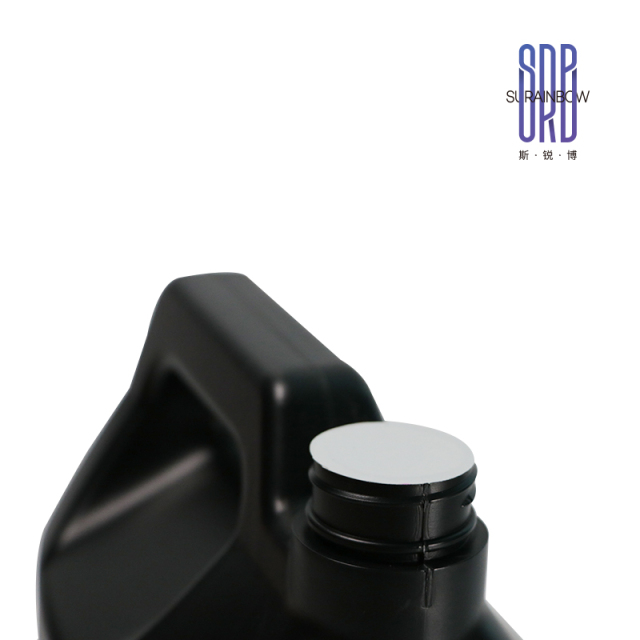
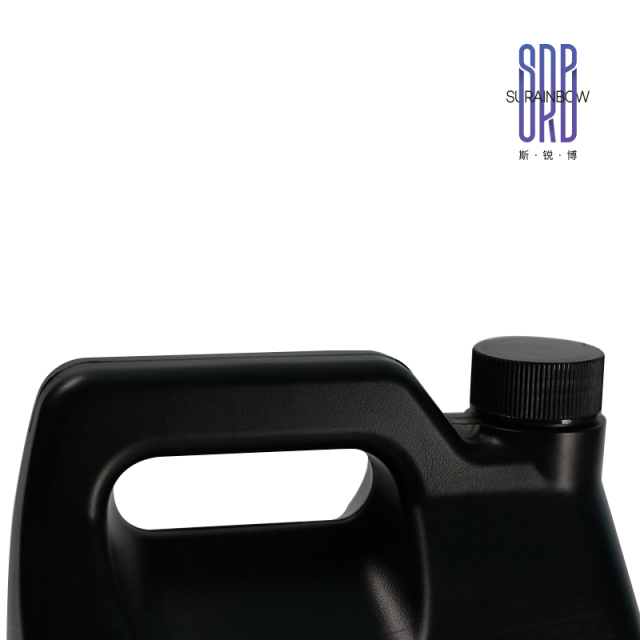
| Pack size | 4 L |
| Weight | 3.7 kg |
| Colour | Black |
| Application | Car tyre and metal |
| Shelf life | 3 years |
| Origin | Guangdong, China |
| Packing | 4 pcs per carton |
| Safety documentation | MSDS |
| OEM | Accepted |
Ordering & Delivery
- Sample and approval — ask your sales contact about sample availability for the 4 L pack, run both 1:3 and 1:8 on your own rims and tyres, and approve a sealed reference before bulk production starts. Packaging design and proofing — OEM is accepted on this line, so label copy, artwork, language and carton marks are drafted, proofed and signed off before the run begins. Buyers assembling a wholesale tire shine order usually plan the wheel cleaner onto the same pallet. Balance, shipment and document handover — confirm the payment schedule and Incoterm in the quotation. MSDS documentation, the packing list and the commercial invoice can travel with the shipment; tell us which documents your market requires and the set is checked before dispatch. After-sales and batch traceability — if a carton arrives leaking, short or out of specification, send the order reference, the batch number, the affected quantity and photos or video, and the report is checked against the retained sample from that batch.
Scale & Supply Capability
SURAINBOW is run by Guangzhou Liangdian Automotive Supplies Co., Ltd., a factory-trade operation set up in Guangzhou in 2010 and now 50 people strong. Sixteen years in car care have given us a one-stop supply position: our own SURAINBOW lines are held in stock for fast shipping, and an associate factory with modern production equipment and an established quality management system keeps replenishment moving. We take OEM and ODM work and our R&D team develops to your specification. Buyers in the Middle East, the United States, Southeast Asia, Europe, the UK, Russia, Africa and Australia already order from us.
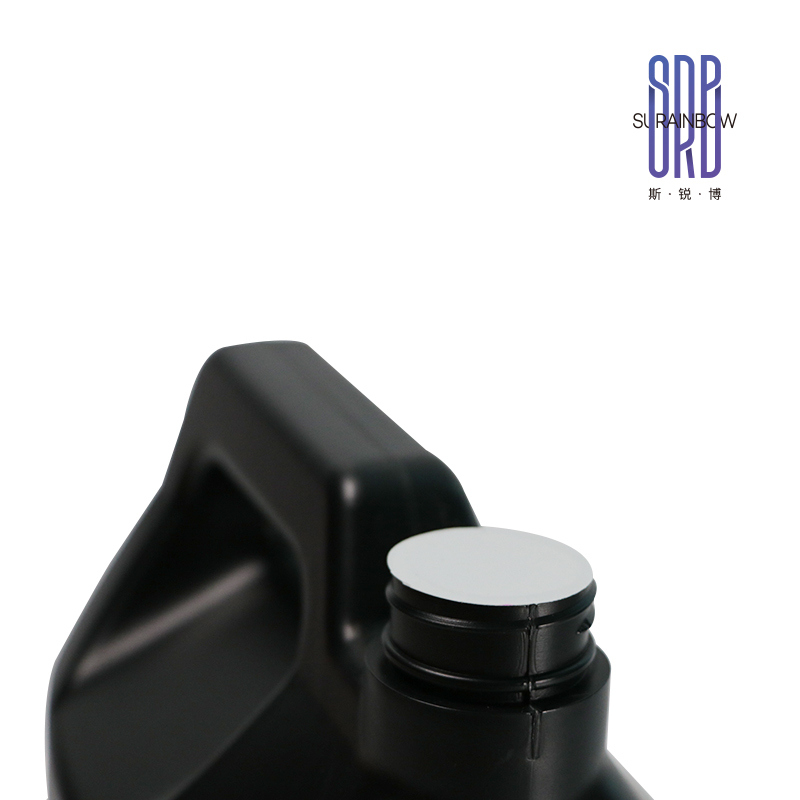
Batch record | Kept for every production run Retained sample | Sealed against the approved reference pH and specific gravity | Measured on the finished automotive cleaner Appearance | Compared with the retained sample before filling Filling and closure | Leak and seal inspection on every filled car wash cleaner jug Labels and cartons | Checked against the approved artwork Outgoing check | Pallet inspected before dispatch Traceability | Batch number links a delivered carton back to its production record
FAQ
Will it dull painted, polished or clear-coated wheels?
The formula is built without strong alkaline ingredients and is stated not to corrode the wheel body, which is the combination that usually decides whether a rim keeps its finish. Work one wheel at a time, keep the surface wet while you agitate, and rinse with fresh water before anything dries. Treat it the way you would treat any vehicle cleaner on an uncoated polished aluminium rim: mix at 1:8 and spot-test a small hidden area first.
What is the difference between the 1:3 and the 1:8 mix?
Same automotive cleaner, different amount of water. 1:3 is the strongest mix in the stated range — one part cleaner to three parts water — and it is the one for heavy brake dust, baked-on film and neglected inner barrels. 1:8 is the mild end, useful for a well-kept car on a weekly maintenance wash. Measure the concentrate first and add water, so the bottle can be repeated by the next person.
Can it be used on tyres, arches and metal parts, not just the rim face?
The stated application is car tyre and metal, so the sidewall, the hub and the metal around it take the same mix as the rim face. A car wash cleaner that copes with rubber and a painted rim in one pass saves a step on a busy vehicle. Rinse the arch area thoroughly with fresh water after agitation so nothing stays behind on the surrounding components.
Do the wheel brushes need their own bucket?
Yes, and it is worth the discipline. Wheel brushes, the coarse sponge and the vehicle cleaner should stay out of the body-wash bucket, because grit from a rim is exactly what puts marks into paint later on the same car. Rinse the brushes after each wheel and hang them to dry rather than dropping them back into clean solution.
How far does one 4 L jug go?
It depends on the mix you run. One litre of this car detailing cleaner makes nine litres of working solution at 1:8, or four litres at 1:3. How many wheels that covers depends on rim size, how much you spray per wheel and how dirty the cars arrive, so plan the first order from a trial week rather than from a formula.
Will it strip the tire polish already on the sidewall?
Brushing and rinsing will lift most of the dressing residue from the rubber, which is normal for a wheel-cleaning step. Dry the sidewall and re-apply tire polish once the wheel is finished; a clean, dry surface takes the dressing more evenly than a dusty one and holds it for longer.
Should the wheel be cleaned before or after a tire shine spray goes on?
Always after. Clean and rinse the wheel first, let it dry, then apply the dressing to the sidewall. A tire shine spray that drifts onto a wet rim can leave a patchy film, and any overspray on the rim face should be wiped off while it is still wet rather than polished away later.